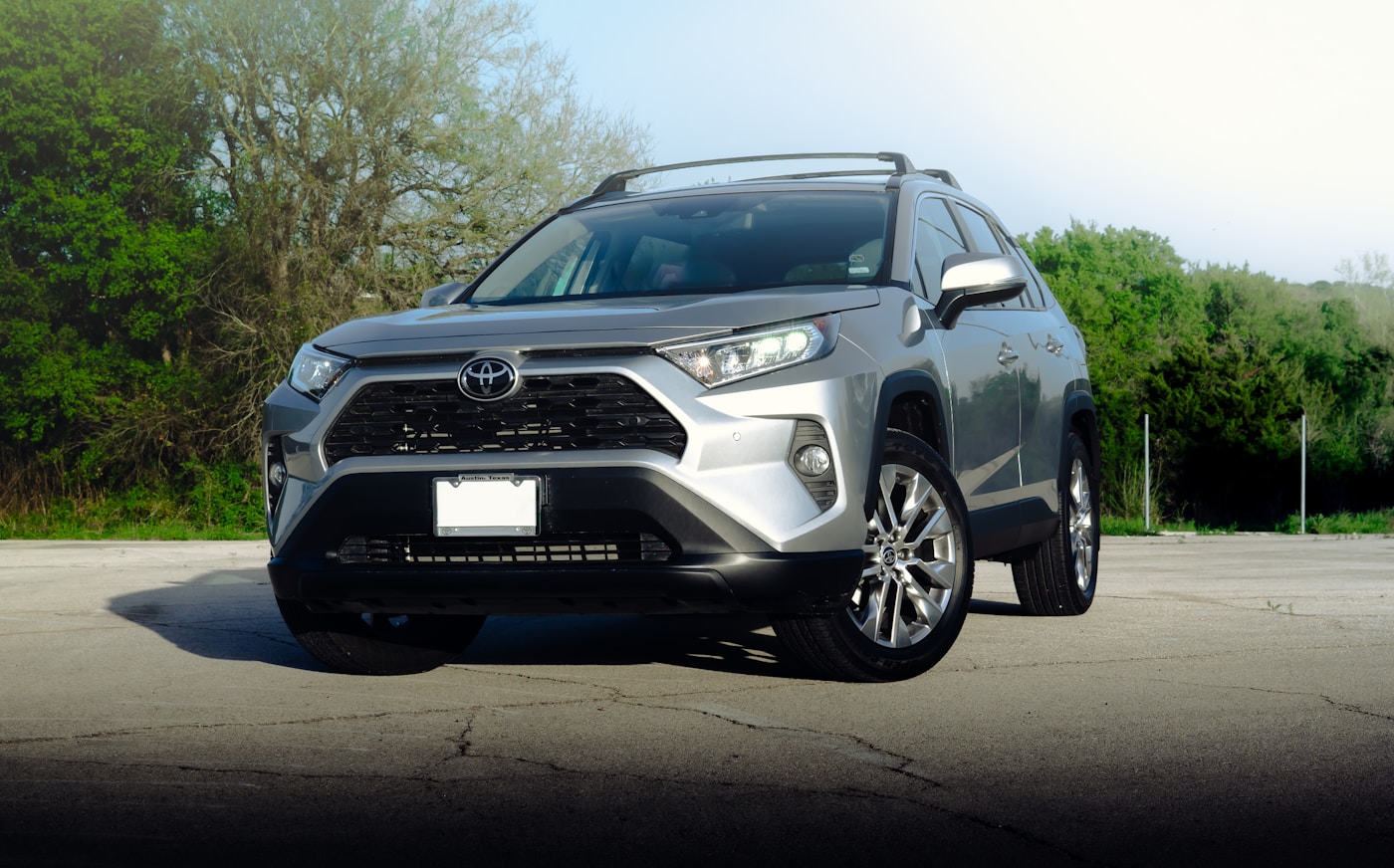
Washington DC, a Mid Atlantic federal city reportUSA · population 712,000 city, 6.45 million metro (DMV) · index 7.5 of 10
An independent report on living in Washington DC, scored across cost, safety, weather, jobs, healthcare, education, transport, and twelve more axes. No tourism board input. No paid placement.
7.5
Index Score
Washington DC, USACover · The City Report
№ 01 , The Quick Take
Washington DC in 200 words.
Washington DC scored 7.5 on the everycity index in 2026, holding inside the top tier of USA cities we cover. The headline numbers: rent on a one bedroom in the central neighborhoods runs 2,450 dollars, the monthly all in cost lands at 3,950 dollars for a single resident, and the safety score is 6.4 on the same 10 point scale we apply to Tokyo, London, and New York.
The case for Washington DC runs through the cost basis, the labor market, and the regional employer base. The District of Columbia runs its own progressive income tax: 4.00 percent on income up to 10,000 dollars rising through 9.25 percent at 250,000 dollars to 10.75 percent above 1,000,000 dollars. Federal brackets run 10 to 37 percent. Social Security and Medicare add 7.65 percent on wages up to 168,600 dollars (the 2024 Social Security wage base, 2025 indexed). Sales tax in DC sits at 6.00 percent general (with 10 percent on restaurant meals and 10.25 percent on rideshare). Property tax for owner occupied residences is 0.85 percent of assessed value. Maryland (Montgomery County) and Virginia (Arlington, Alexandria, Fairfax) have separate state and county income taxes that the DMV commuter math must account for. For the city specific tax math at a real offer level, the tax calculator tool walks the brackets and the take home math.
The full numbers run by category. If you want the comparison view, start with Washington DC vs London or Washington DC vs New York, then return here for the deep read. The data feeding this report is described on our methodology page; primary sources sit at the bottom. Numbers are May 2026 unless stated otherwise. Currency is the US dollar.
One reading note. This is the long form report. If you only want the headline, the city score generator returns the index figure with custom weights in 30 seconds. If you want the country level read, the USA page places Washington DC inside the regional table. The cross references inside this page run thick deliberately. Skim the section eyebrows and jump to the question you came with.
For new readers: this report sits inside Volume 04 of the everycity atlas, our 2026 issue. The methodology has been refreshed against the May 2026 Numbeo, Mercer, and US Bureau of Labor Statistics regional data drops, with primary source rechecks done in March and April 2026. The next refresh ships August 2026.
№ 02 , Cost of Living
The monthly arithmetic.
Fourteen line items priced in May 2026 for a single resident living in a central one bedroom. Family of four numbers run 2.4 times the single resident figure.
Line item
Monthly cost
Notes
Rent, central one bedroom2,450 dollars
2,450 dollarsper month
first ring, walkableRent, central one bedroom
Rent, suburban one bedroom1,950 dollars
1,950 dollarsper month
outer ring, transit reachableRent, suburban one bedroom
Family three bedroom rent3,950 dollars
3,950 dollarsper month
inside city limitsFamily three bedroom rent
Groceries, single470 dollars
470 dollarsper month
non restaurant, week of sevenGroceries, single
Groceries, family1,180 dollars
1,180 dollarsper month
family of fourGroceries, family
Public transport pass110 dollars
110 dollarsper month
unlimited monthlyPublic transport pass
Utilities, average215 dollars
215 dollarsper month
electric, gas, waterUtilities, average
Internet, gigabit75 dollars
75 dollarsper month
symmetric fiber where availableInternet, gigabit
Coffee, takeout5.40 dollars
5.40 dollarsper month
specialtyCoffee, takeout
Beer, supermarket2.00 dollars
2.00 dollarsper month
domestic, six pack basisBeer, supermarket
Beer, bar8.50 dollars
8.50 dollarsper month
draft, mid marketBeer, bar
Dinner for two, mid95 dollars
95 dollarsper month
no drinksDinner for two, mid
Gym membership85 dollars
85 dollarsper month
national chainGym membership
Mobile phone plan55 dollars
55 dollarsper month
single line, unlimitedMobile phone plan
Total monthly all in for a single resident in a central Washington DC one bedroom: 3,950 dollars. Compare against Austin, Denver, New York, Los Angeles, and Chicago on the same May 2026 basis.
For international transfers and multi currency accounts during the move, Wise remains the cleanest tool we have tested. The rate it gives on a EUR to USD or GBP to USD conversion is consistently within 0.4 percent of the mid market rate. Booking the first month in a serviced apartment through Booking.com while you find a long term lease is the standard play. See the 2026 cost of living report for the city by city table.
Reader question we get often: how do Washington DC costs compare on a purchasing power basis. The cost converter tool takes a salary in your home city and tells you what equivalent number you would need in Washington DC, adjusted for tax and currency. Bookmark it before you accept the offer.
Three quiet costs new residents tend to underestimate in Washington DC: the security deposit on the rental, which usually runs one to three months upfront plus a broker fee in some markets; the move in administration round (state ID, voter registration, vehicle registration if you drive), which lands at 90 to 380 dollars depending on your processing route; and the first time furniture round, which runs 3,200 to 6,500 dollars. Budget the move at 1.4 times the headline rent. The relocation checklist has the line by line.
Salary equivalent
What does your salary need to look like in Washington DC?
Equivalent in Washington DC
$130,000
Adjusted for cost of living, tax position, and currency. Recalculated against a 3,950 dollar a month baseline.
№ 03 , Safety
A 10 point read on streets, day and night.
Washington DC scored 6.4 overall. The breakdown matters more than the headline.
Overall6.4
Solo female, day6.2
Family with kids6.8
After dark, central5.6
Compared with the rest of the index, Washington DC sits in the middle tier on most safety axes. The safest cities ranking places Tokyo at 9.6 and Singapore at 9.5 as the top of the global table; for comparison with London at 7.4 and Lisbon at 8.1, Washington DC benchmarks across the violent crime and property crime axes that the FBI Uniform Crime Reporting program tracks city by city. The 2024 UCR numbers were the most recent at the time of writing.
Practical notes for new residents: the violent crime rate in Washington DC is concentrated in specific neighborhoods rather than spread evenly across the city; the Washington DC neighborhood safety map walks the quadrant by quadrant breakdown. Carry a SafetyWing policy through SafetyWing for the first six months while your employer health plan starts, particularly if you are relocating without a confirmed offer. The full safety methodology is on our methodology page. The solo female safety ranking and the family safety ranking show how Washington DC compares on those axes specifically.
The four categories that make up the overall safety score are: violent crime, property crime, traffic safety, and emergency response time. Washington DC scores across the four categories on the patterns the regional FBI UCR data shows. The Washington DC safety deep dive walks the four categories with the underlying numbers from the FBI UCR and the National Highway Traffic Safety Administration. The traffic safety axis in particular has been a national pressure point since 2020 with pedestrian deaths climbing 78 percent from 2010 to 2022 across the country; the city specific number for Washington DC is in the deep dive.
For the family with school age kids the safety axis the methodology weights heaviest is the family with kids subindex; the Washington DC score of 6.8 on that axis is the figure the schools planning conversation should start with. The cities for families ranking sorts the cities in this issue against the same axis. For older readers, the cities for retirement ranking uses a separate weighting that emphasizes property crime and traffic safety as the variables retirees report mattering most.
№ 04 , Weather
The climate in plain numbers.
humid subtropical Cfa under Koppen with a transitional inflection, 88F summer highs, 28F winter lows, 64 percent humidity, 203 sun days a year.
The best months to live in Washington DC are April, May, September, October. The worst varies by reader: some find the humid July through early September, the icy late January. For a city that can match your home weather, see the climate match tool. For seasonal travel within the same climate band, the mild summer ranking and the warm winter ranking are the standard cross references.
Climate practical notes for Washington DC: the housing stock varies. Newer apartments default to central air conditioning, older buildings in the historic neighborhoods often rely on window units or upgraded mini split systems; if you have asthma or a young child, ask the leasing agent which system is installed before you sign. The Washington DC housing quality guide breaks down what to look for during viewings, including the insulation, the heating system, and the window quality.
Air quality in Washington DC is generally within EPA thresholds for most of the year, with brief seasonal spikes that the National Weather Service and the EPA AirNow network track in real time. The Washington DC air quality report tracks PM2.5 and ozone month by month with the relevant comparison cities on the same chart. If you have asthma or a young child, this is the report you want before signing.
Climate adaptation is a longer conversation. The 2024 to 2026 trend lines for Washington DC match the regional pattern: warmer summers, milder winters, and a real shift in the timing of the seasons. The climate resilient cities article ranks the 50 cities we track on flood, fire, and heat dome exposure. Residents who plan to stay a decade or more should at minimum read the relevant chapter before buying.
One under discussed climate variable for Washington DC specifically: the home insurance premium has been the single most volatile housing related cost over the 2023 through 2026 window, driven by reinsurance pricing rather than any local risk shift. The home insurance 2026 report walks the city specific premium trajectories that the major carriers have filed with state regulators.
№ 05 , Jobs and Salary
Who pays, and how much the tax takes back.
Salary medians are May 2026, sourced from Glassdoor, Levels.fyi, the BLS Occupational Employment and Wage Statistics program, and OECD wage data. Tax figures are from the relevant state department of revenue.
Role, mid level
Median salary
Senior
Software engineer138,000 dollars
Senior level210,000 dollars
Top rate federal 37 percentmarginal
Finance, manager track112,000 dollars
Director track175,000 dollars
Top rate federal 37 percentmarginal
Marketing manager92,000 dollars
Senior marketing138,000 dollars
Top rate federal 37 percentmarginal
The major employers in Washington DC are: the Federal Government (the United States federal payroll is the largest civilian employer in the DMV with more than 360,000 federal civilian jobs inside the metro and another 280,000 federal contractor positions), the Department of Defense and the Pentagon (Arlington), the Department of Homeland Security, the Department of Veterans Affairs, the Department of State (Foggy Bottom), the Department of Health and Human Services, Booz Allen Hamilton (HQ in McLean), Leidos, Northrop Grumman, General Dynamics, Lockheed Martin Bethesda, Capital One (HQ in McLean), Marriott International (HQ in Bethesda), Fannie Mae, Freddie Mac, the World Bank Group, the International Monetary Fund, the Inter American Development Bank, Amazon's HQ2 in Crystal City (the 2018 announcement, 25,000 jobs at full build out by 2030), Microsoft federal, Google federal, Meta federal, plus the cluster of K Street consulting and lobbying firms, the policy think tanks anchored by Brookings, Heritage, the Cato Institute, and CSIS, and the global news bureaus on Capitol Hill. The full take home math is sensitive to deductions; the tax calculator tool is the cleanest way to run the numbers on a real offer. The highest paying cities ranking covers the macro view.
The District of Columbia runs its own progressive income tax: 4.00 percent on income up to 10,000 dollars rising through 9.25 percent at 250,000 dollars to 10.75 percent above 1,000,000 dollars. Federal brackets run 10 to 37 percent. Social Security and Medicare add 7.65 percent on wages up to 168,600 dollars (the 2024 Social Security wage base, 2025 indexed). Sales tax in DC sits at 6.00 percent general (with 10 percent on restaurant meals and 10.25 percent on rideshare). Property tax for owner occupied residences is 0.85 percent of assessed value. Maryland (Montgomery County) and Virginia (Arlington, Alexandria, Fairfax) have separate state and county income taxes that the DMV commuter math must account for. Read the USA tax guide 2026 before you assume the headline rate, and the state by state tax comparison if you are choosing between two US metros that span state lines.
Working culture in Washington DC is its own variable. The standard week sits at 40 hours; senior tech and finance roles routinely push 50 to 60. The Washington DC working culture guide covers the specifics, including the regional norms on paid time off, the parental leave landscape under federal and state law, and the recent shifts in remote work policy across the major regional employers. Negotiating a contract before signing pays for itself within a year. Read the relocation checklist for the items the recruiters skip.
Career mobility for the relocated worker in Washington DC is favorable for English speakers across most categories given the dominant labor market language; specialist credentials in healthcare, law, and engineering require the relevant state licensure portability checks. The career growth ranking tracks the pattern across the cities in this issue, and the relocation checklist covers the timing.
One more lens. The dual income household question. In Washington DC, the standard US labor market norms apply: the spouse on a relocation package usually arrives with the option to look for work locally; the dependent visa story for international relocations through the H1B or O1 routes is the variable that compresses the dual income calculation. The spouse visa guide covers the 30 most common destination cities.
№ 06 , Neighborhoods
Where to actually live.
Eight neighborhoods, each with the rent number and a one line verdict.
For long term rentals beyond the first month, the local listing platforms residents actually use are Zillow, Apartments.com, Redfin, and Trulia for buyer side searches plus the regional brokerage Multiple Listing Service feeds. Bring proof of income (two recent pay stubs or three months of bank statements for the self employed), the prior landlord reference, and the credit report (or the credit score if your application is online) to the viewing. The relocation checklist covers the documentation you will need.
Two neighborhood rules of thumb the data supports. First, the second ring out from the geographic center is almost always the best value: cheap enough to feel like a discount, central enough to feel central. Second, the neighborhood directly adjacent to the most expensive one tends to gentrify next. Track those two rules across the eight neighborhoods above and you can usually pick the right one in fifteen minutes.
One specific Washington DC rule the data supports: the school district lines matter more than the listing photos. The Washington DC school district map walks the elementary, middle, and high school zones with the actual test scores and the family demographics the public school enrollment data reports. For renters with school age kids, the school district affects the rent more than the size of the unit.
№ 07 , Healthcare
The system, the cost, the wait.
Healthcare is a key variable in any relocation decision. The methodology weights access, cost, and outcomes equally.
Washington runs the densest medical workforce per capita of any US metro outside Boston. MedStar Health (the regional academic medical center anchor at Georgetown University Hospital and Washington Hospital Center), the Johns Hopkins Sibley Memorial Hospital, Inova Health System on the Virginia side, and the federal medical resources at Walter Reed and the NIH Clinical Center in Bethesda concentrate the inpatient capacity. A non group ACA marketplace silver plan in the District for a 35 year old runs 470 to 760 dollars a month after the federal premium tax credit math; the federal employee benefits program (FEHB) drives the cover for any federal worker. Specialist appointment waits run two to six weeks for primary care in network, eight to sixteen for non urgent psychiatry; the cash pay option compresses both significantly.
For new arrivals: pick up an interim international policy from SafetyWing or Cigna Global while your employer benefits enrollment processes (the typical waiting period is 30 to 90 days for new hires) and your subsidized ACA marketplace plan kicks in. Once you are on the employer plan, switch. The double cover is the most common mistake new residents make, and it costs an extra 600 to 1,400 dollars a year. The expat insurance guide covers the trade off in detail.
Dental and vision typically sit outside the main medical coverage in most US plans, sold as separate riders at 30 to 75 dollars a month combined. Dental cleaning runs 80 to 150 dollars cash pay, a filling 180 to 320, an annual eye exam 65 to 140. Cross check the Washington DC dental care guide before you book. For prescription medication, the local pharmacy network at CVS, Walgreens, and Walmart plus the mail order options through GoodRx and Cost Plus Drugs cover most needs at the working day to day level.
Mental health services in the United States remain the slowest stream across most networks. Expect six to twelve week waits for a non urgent in network appointment with a psychiatrist in most metros; cash pay or out of network compresses that to one to three weeks at the cost of 180 to 340 dollars per session. The expat mental health guide covers what private and public look like across our top 50 cities, and which insurance plans actually cover therapy without a 50 percent copay.
One US specific healthcare cost the new resident from a single payer country needs to understand: the out of pocket maximum on most employer plans runs 5,000 to 9,450 dollars (the 2025 ACA out of pocket max for self only) before the plan pays 100 percent. The deductible front loads the cost in any year you use the system seriously; the year you do not use it at all you still pay the premium. The USA health insurance explained guide walks the structure for the new arrival.
№ 08 , Education and Family
Schools, if you have kids.
The international school option, the local school option, and the cost of each.
Washington hosts a deep cluster of private and parochial schools, with the embassy and federal contractor families anchoring sustained demand. Sidwell Friends (the school many First Family children attend), Georgetown Day School, National Cathedral School, St Albans School, Maret, Holton Arms, Beauvoir, and Washington International School carry the established names; Washington International runs the full IB Diploma. DC Public Schools and the public charter network post a wide quality range; Wilson High School, Walls School, and the bilingual Oyster Adams are the standard choices inside the public system. International school tuition runs 35,000 to 55,000 dollars a year per child. Georgetown University (private Jesuit, top 25 US), George Washington University, American University, Howard University, the University of Maryland College Park, and George Mason University in Fairfax cover the regional higher education slot.
The family rating for Washington DC weights school quality, park access, safety, healthcare, and the cost of a three bedroom flat. See the best cities for families ranking for the full table. The relocating with kids guide covers the school admissions calendar, which in this region runs the lottery and open enrollment cycle in February through April for August entry, with private school deadlines closer to January.
Beyond school, the family experience in Washington DC is shaped by what is free. Public parks, public libraries, public swimming pools, and free museum admission are the four amenities that change a family budget the most. Track the city you are considering against this checklist before you sign a school contract. The family budget guide models the realistic monthly all in figure for a family of four across 30 destination cities, and Babbel remains the cleanest entry point for the parent who wants a working level of Spanish, French, or Mandarin inside six months.
For the working couple, full time daycare runs another 1,200 to 2,800 dollars a month per child in most US metros; the precise number depends on the type of provider (in home, center based, or nanny share) and the urban or suburban location. Federal Child and Dependent Care tax credit math claws back a portion at the lower income bands; the new 2025 expansion under the federal SECURE 2.0 update modestly raised the dependent care FSA limit. The Washington DC childcare guide works through the application timeline.
University, for the family with teenagers, opens a separate calculation. Tuition for in state students at the public flagship universities runs 10,000 to 17,000 dollars a year; out of state students pay 30,000 to 55,000; private universities at the top end of the US News rankings list now publish sticker prices above 90,000 dollars all in. The cities for university students ranking walks the trade off between cost, prestige, and post graduation job market outcomes for the 50 highest demand US destination cities. Tuition for international families at the established Washington DC international schools runs 35,000 to 55,000 dollars a year per child plus enrollment fees.
№ 09 , Transport
Walk, ride, or drive.
Walkability 8.1, transit 8.6, bike 7.4. Car needed: No.
Walk8.1
Transit8.6
Bike7.4
Car neededNo
WMATA operates the Metro (6 lines, 98 stations across DC, Maryland, and Virginia), the regional bus network (Metrobus), the streetcar on H Street NE, plus the connector buses through the District and the suburban counties. The fare runs 2.25 to 6.75 dollars depending on distance and time; the monthly unlimited regional pass costs 110 dollars, the Metroweekly Pass costs 13 dollars. The system covers a real share of the metro footprint by US standards; 34 percent of DC residents commute by transit (the second highest US metro share behind New York). Capital Bikeshare (5,500 plus bikes across 700 stations) covers the inside the Beltway grid; the District's Lime and Bird scooter networks complete the micromobility spread. Reagan National Airport (DCA, 4 miles south, Metro served, 50 to 70 dollars by taxi) and Dulles International (IAD, 30 miles west, Metro Silver Line as of November 2022, 75 to 110 dollars by taxi) handle most of the air traffic; Baltimore Washington International (BWI, 32 miles northeast, MARC train) covers the budget carrier traffic. A car is optional in the District proper and the inside the Beltway core. For relocation scouting trips and the first two weeks before your residency paperwork or driver license transfer comes through, a rental from Discover Cars covers most needs at 45 to 95 dollars a day depending on the season. Beyond that, the car versus no car decision in Washington DC depends on the neighborhood you settle in.
Airport access is the variable most travelers underweight. The best airport cities ranking tracks connectivity across the 100 cities that matter for the global business traveler.
For long distance ground travel, the Amtrak network connects most of the major US metros along the Northeast Corridor (the only Amtrak service that runs at international rail standards), the Empire Service through New York and Albany, the Cardinal through the mid Atlantic, and the cross country routes through Chicago. The USA Amtrak guide 2026 walks the routes, the punctuality numbers, and the booking strategy. For most non Northeast Corridor city pairs, the flight remains the practical default.
№ 10 , Culture and Cuisine
What makes Washington DC itself.
The food signatures, the nightlife rating, the cultural calendar.
Food in Washington DC: Washington's food signatures span the broadest immigrant cuisine spread of any East Coast metro, the half smoke as the indigenous DC street food signature (Ben's Chili Bowl on U Street is the canonical address), and a serious chef driven scene at the upper end. Ethiopian cooking in DC is the most consequential in the United States; the 9th Street and U Street corridor holds more than a dozen Ethiopian restaurants including Dukem, Etete, and Habesha. The chef driven scene at Minibar (Jose Andres' twelve seat tasting counter, three Michelin stars), Komi, Rose's Luxury, Maydan, Albi, and Bresca holds 23 Michelin stars across DC restaurants as of the 2025 guide. The Salvadoran pupusa is the working week lunch institution in the immigrant heavy neighborhoods of Mount Pleasant, Columbia Heights, and Petworth. The nightlife scores 7.7 on the 10 point scale; the U Street, H Street NE, and 14th Street corridors hold the bar density, the embassy circuit and the cocktail program at Service Bar, Allegory, and Columbia Room hold the cocktail end. The best cities for nightlife ranking places this in context.
Cultural temperament: Federal city first, Black cultural capital second, and international cosmopolitan third. The Smithsonian Institution, the National Gallery of Art, the Kennedy Center, and the Library of Congress sit inside a two mile radius and admit visitors for zero dollars; the National Museum of African American History and Culture, the National Portrait Gallery, the National Museum of the American Indian, and the Hirshhorn complete the institutional culture spread. Howard University, the historic Black university anchor on the Hill, has shaped American intellectual and political life for 150 years. The diplomatic corps from 178 embassies in DC drives the international culture, restaurant, and event calendar in a way no other US city matches. The Washington Commanders, the Washington Capitals, the Washington Wizards, the Washington Mystics, and the Washington Nationals cover the professional sports calendar; the political theater of Congress, the federal courts, and the executive branch is the cultural production no other city offers. For day to day cultural input, the Washington DC cultural calendar tracks the festivals, museum exhibitions, and gigs worth a flight. Tour bookings for first time visitors and friends arriving for a long weekend run cleanest through GetYourGuide.
Two underrated reads on cultural fit: how late the city eats, and how much it complains. Washington DC eats and complains in its own register. The cities for foodies ranking lists the food capitals on a single chart. For complaint culture, the local press and online forums tell you what residents fight about; the Washington DC resident grievances roundup reads them so you do not have to.
One more cultural variable for Washington DC specifically: the rhythm of the working week. The Friday afternoon expectation, the Saturday morning routine, the Sunday closing schedule in the local retail and food scene all carry the regional character. The Washington DC weekly rhythm guide walks the cadence that most relocation guides skip.
№ 11 , Remote Work
Internet, visas, and where to plug in.
Median internet speed 235 Mbps. Coworking density: 96 spaces. Working visa: see country page.
Washington's median fixed line internet speed sat at 235 Mbps in April 2026, with Verizon Fios (the dominant fiber operator in DC, Arlington, and Fairfax), Xfinity, and the District's RCN footprint competing on residential service. Symmetric gigabit fiber runs 75 to 110 dollars a month in most central addresses. The coworking density at 96 spaces is the highest in this batch; WeWork has eight DC locations, the local Eastern Foundry covers government contractors specifically, plus Mindspace, Convene, Industrious, and Spaces cover the rest. The federal employer concentration means the remote work culture in DC is bimodal: contractor and consulting roles allow flexible work, federal civilian roles increasingly require in person attendance under the post 2025 telework guidance. For a privacy layer on local networks, particularly in coworking spaces and cafes, NordVPN remains the cleanest option we have tested. The best cities for remote work ranking covers the full table.
For nomads: the visa story is the constraint. The USA page covers the relevant national digital nomad route, the H1B specialty worker, the O1 extraordinary ability, the E2 treaty investor, and the EB visas. The United States does not currently offer a true digital nomad visa; the workaround paths run through B1 short business stays, ESTA waiver visits, or one of the dependent visa categories. The nomad visa guide 2026 tracks the eligibility, the cost, and the renewal terms across the 47 cities that now offer one.
For coworking specifically, the density figure of 96 spaces hides a wide quality range. The premium operators run 380 to 680 dollars a month for a hot desk and 850 to 1,400 for a private booth. The mid market option, which is what most residents actually use, runs 200 to 320 dollars a month for unlimited access plus mail handling. The Washington DC coworking guide tracks the specific operators with the floor plans and the monthly numbers. The best cities for digital nomads ranking keeps the macro view, with Washington DC placed on the same axis as Lisbon, Berlin, and Barcelona for direct comparison.
One more remote work read specific to Washington DC: the home office tax deduction math under the IRS simplified method (5 dollars per square foot, up to 300 square feet) compresses to a 1,500 dollar maximum annual deduction for the self employed; the actual expense method scales higher but requires the documentation. The USA remote work tax guide 2026 walks the federal and state cross filing implications for the worker who lives in one state and the employer who is registered in another.
№ 12 , The Verdict
Who should move to Washington DC, and who shouldn't.
Washington works for the federal career professional, the policy and consulting class, the diplomatic spouse, and the relocating tech worker arriving for the federal contracting build out. Below 110,000 dollars a year the housing math compresses fast inside the District; above 170,000 dollars Washington delivers a quality of life that includes free museums, the densest walkable urbanism on the East Coast outside New York, and a labor market less exposed to private cycle risk than any other major US metro given the federal payroll floor. The case against runs three lines: violent crime in specific quadrants remains higher than the national big city average (the District posted a 35 percent year over year decline in homicides from 2023 to 2024 but the baseline was elevated), the political theater of federal cycle change creates real career volatility for political appointees and federal contractors aligned with the outgoing administration, and the cost of living has compressed against the salary band for federal civilian workers since 2020. None of that erases the core. The cultural and intellectual density of the federal city does not exist elsewhere in the United States. The transit system actually works. If you can clear the housing math, Washington is the most consequential large city we measure on the US East Coast outside New York.
Sources, May 2026. Numbeo cost of living index May 2026 · Mercer Cost of Living Survey 2026 · OECD Income Distribution Database 2025 · US Bureau of Labor Statistics OEWS 2024 · US Census ACS 5 year 2023 · Speedtest Global Index April 2026 · FBI Uniform Crime Reporting 2024 · AHCA OECD healthcare outcomes 2025 · the relevant state department of revenue for tax brackets · Glassdoor and Levels.fyi for salary medians · the National Association of Independent Schools and the regional school district reporting for private school tuition. First published May 13, 2026. Last updated May 13, 2026.
№ 13, The neighborhood, broadly
Where it sits
Washington Dc sits in . For the broader ranking view, the safest cities ranking places Washington Dc in context.
Newsletter
The atlas, in your inbox.
One email a month. The new city reports, the cost of living refresh, and the comparisons that landed. No tourism boards, no paid placement.