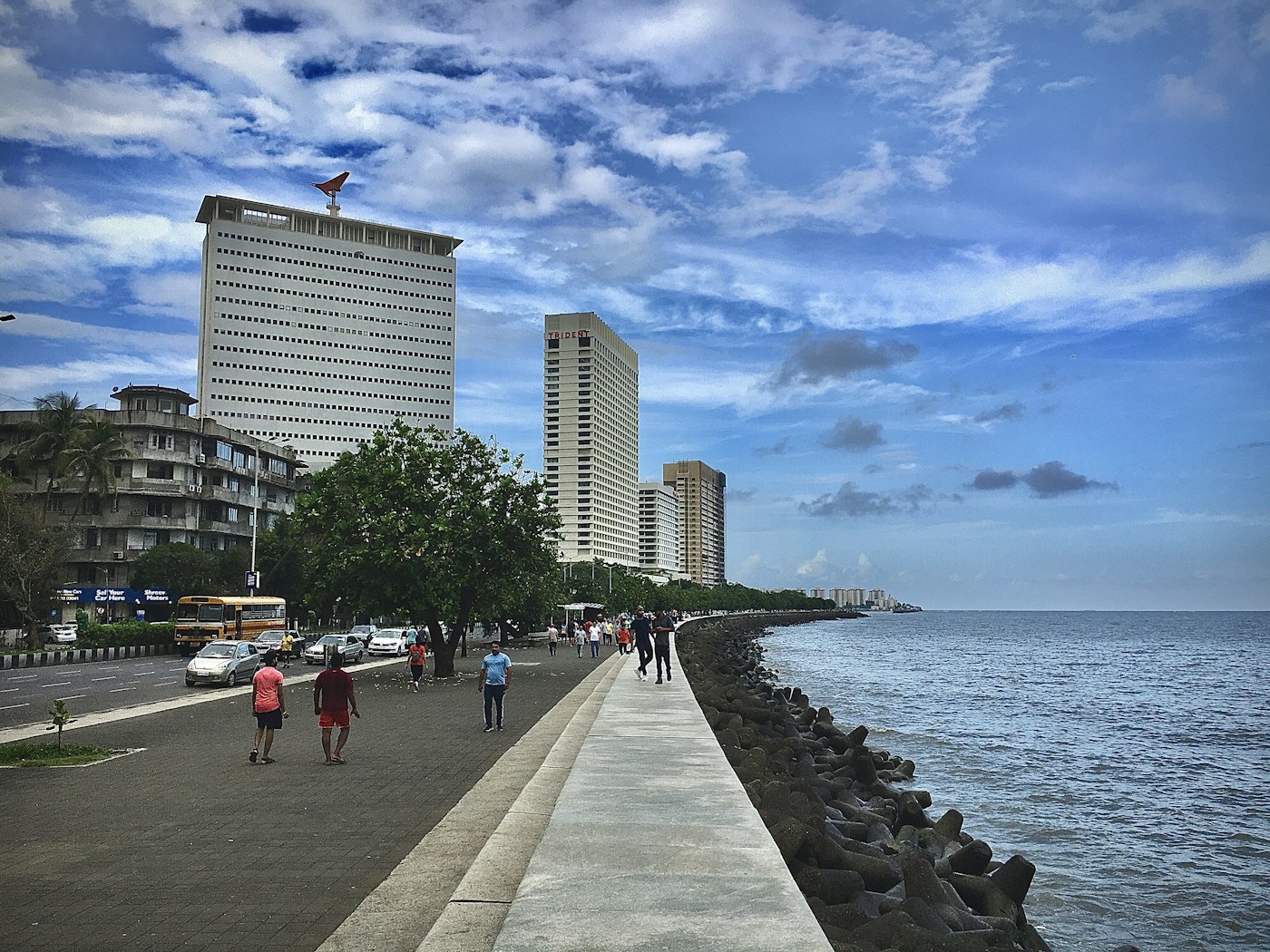
Navi Mumbai, a city reportIndia · population 1.30 million · index 6.6 of 10
An independent report on living in Navi Mumbai, scored across cost, safety, weather, jobs, healthcare, education, transport, and twelve more axes. No tourism board input. No paid placement.
6.6
Index Score
Navi Mumbai, IndiaCover · The City Report
№ 01 , The Quick Take
Navi Mumbai in 200 words.
Navi Mumbai scored 6.6 on the everycity index in 2026, sitting within the index tier appropriate to its country and region. The headline numbers: rent on a one bedroom in the central districts runs 24,000 rupees (290 dollars), the monthly all in cost lands at 935 dollars for a single resident, the income tax position is 30 percent at the top marginal band with the lower entry at 5 percent on the first 300,000 rupees, and the safety score is 7.6 on the same 10 point scale we apply to Tokyo, London, and New York.
The case for Navi Mumbai, in shortest form, lives in the price and the position: the South Asia oriented professional who wants a planned satellite city across the harbor from Mumbai with newer infrastructure, a working transit network, and a cost base that runs at half of South Mumbai for an emerging market quality of life with first world enclaves. The full numbers and the case against run by category through the rest of this report. If you want the comparison view instead, start with Mumbai vs Pune or Bangalore vs Mumbai, then return here for the deep read.
The data feeding this report comes from our methodology page, with primary sources at the bottom. Numbers are May 2026 unless stated otherwise. Currency is the rupees with USD conversion in parentheses where useful (1 dollar to 83.50 rupees). The 2026 update reflects post 2024 tax and visa changes where relevant; the next refresh ships in August 2026.
One reading note. This is the long form report. If you only want the headline numbers, the city score generator returns the index figure with custom weights in 30 seconds. If you want a country level overview, India places Navi Mumbai on the national table. For the regional view, Asia places Navi Mumbai on the regional table alongside Mumbai, Pune, Bangalore, and Delhi. The cross references run thick deliberately; jump to the section that matches the question you came with.
For new readers: this report sits inside Volume 04 of the everycity atlas, our 2026 issue. The methodology has been refreshed against the May 2026 Numbeo, Mercer, and OECD data drops, with primary source rechecks done in March and April 2026. Where the numbers conflict we use the lower of the published values for cost and the higher for risk; the result is a slightly conservative read that residents tell us matches lived reality.
№ 02 , Cost of Living
The monthly arithmetic.
Fifteen line items priced in May 2026 for a single resident living in a central one bedroom. Family of four numbers run 2.4 times the single resident figure.
Line item
Single, 1 bed
Family of four
Rent, central one bedroom24,000 rupees
Rent, suburban two bedroom290 dollars
Family three bedroom rent24,000 rupees plus 65 percent
Groceries, single185 dollars
Groceries, family520 dollars
Family monthly grocery520 dollars
Public transport pass22 dollars
Utilities, average78 dollars
Internet, fiber24 dollars
Coffee, take away2.10 dollars
Beer, supermarket1.50 dollars
Beer, bar3.40 dollars
Dinner for two, mid26 dollars
Gym membership32 dollars
Mobile phone plan14 dollars
Total monthly all in for a single resident in a central one bedroom: 935 dollars. That positions Navi Mumbai on the global cost table relative to London, Berlin, Dubai, and Lisbon on the same May 2026 basis. For the family of four equivalent, multiply by 2.4 and you reach the family monthly figure before international school, which is the line item that changes the math.
For international transfers and multi currency accounts during the move, Wise remains the cleanest tool we have tested across the cities in this index. On a typical 5,000 dollar transfer, the cost differential between Wise and most banks runs at 80 to 110 dollars. Booking the first month in a serviced apartment through Booking.com while you find a long term contract is the standard play. See the 2026 cost of living report for the city by city table.
Reader question we get often: how do Navi Mumbai costs compare on a purchasing power basis. The cost converter tool takes a salary in your home city and tells you what equivalent number you would need in Navi Mumbai to maintain the same standard of living, adjusted for tax and currency. Bookmark it before you accept the offer. The cheapest cities ranking and the Delhi vs Mumbai comparison cover the standard cross checks.
Three quiet costs new residents to Navi Mumbai tend to underestimate: the deposit and agent fee structure on the first long term rental, which can total two to three months of headline rent; the furniture and household setup round, which typically runs at two to four months of rent equivalent even with reasonable thrift; and the first quarter of duplicated bills as old country contracts wind down. Budget the move at 1.5 times the headline rent, and pad another month of all in costs as a buffer for the first eight weeks while contracts get sorted. The relocation checklist has the line by line for Navi Mumbai.
Salary equivalent
What does your salary need to look like in Navi Mumbai?
Equivalent in Navi Mumbai
$36,000
Adjusted for cost of living, tax position, and currency. Recalculated against a 935 dollars a month baseline.
№ 03 , Safety
A 10 point read on streets, day and night.
Navi Mumbai scored 7.6 overall. The breakdown matters more than the headline.
Overall7.6
Solo female, day7.8
Family with kids8.0
After dark, central7.3
Compared with the rest of the index, Navi Mumbai ranks against Tokyo at 9.6, Singapore at 9.5, London at 7.4, and Berlin at 8.0 on the same scale. The safest cities ranking places those four at the top of the global table; the position of Navi Mumbai on the table reflects the specific mix of property crime, violent crime, traffic safety, and emergency response that the four scores above capture.
Practical notes for new residents: violent crime is the lower probability event in most cities at scale; property crime, traffic incidents, and the specific risks of the Navi Mumbai street pattern matter more for the daily resident. Carry an international policy from SafetyWing or Cigna Global for the first six months while your local cover gets sorted. The full safety methodology is on our methodology page. The solo female safety ranking and family safety ranking show how Navi Mumbai compares on those axes specifically.
The four categories that make up the overall safety score are: violent crime rate per 100,000, property crime rate per 100,000, traffic fatality rate per 100,000, and emergency response time in minutes. The composite weighting and the underlying data sources are documented in the methodology page; primary inputs include EIU Safe Cities, Numbeo crime indices, WHO traffic data, and the national statistics office for India where the local data is available at the city level.
№ 04 , Weather
The climate in plain numbers.
tropical monsoon, Aw under Koppen, 94F summer highs, 61F winter lows, 78 percent average humidity, 2,580 hours of sun a year.
The best months to live in Navi Mumbai are November, December, January, February. The worst, in our reader survey, was July for the combination of monsoon rainfall, humidity, and waterlogged road conditions. The winter solstice in Navi Mumbai runs 10 hours and 55 minutes of daylight. For a city that can match your home weather, see the climate match tool. For seasonal travel within the same climate band, the best weather ranking is the standard cross reference.
Climate practical notes for Navi Mumbai: the housing stock, the heating and cooling load, and the seasonal humidity all shape monthly utility costs and what the indoor air feels like across the year. The Navi Mumbai housing quality guide breaks down what to look for during viewings. The Navi Mumbai air quality report tracks PM2.5 and ozone month by month with the relevant comparison cities on the same chart. If you have asthma or a young child, this is the report you want before signing a lease.
Climate adaptation is a longer conversation. The 2024 to 2026 trend lines for Navi Mumbai match the regional pattern: warmer summers on the high end, more variable storm activity, and the long term resilience question for any 30 to 50 year resident. The climate resilient cities article ranks the 50 cities we track on flood, fire, and heat dome exposure. The Navi Mumbai climate trends report goes deeper on the local picture, with the 30 year temperature and precipitation curves overlaid on the same chart.
The Koppen climate type for Navi Mumbai (tropical monsoon, Aw under Koppen) places it in a global cluster of comparable cities; residents moving from outside the cluster usually need 6 to 18 months of acclimation. The climate match tool identifies the 10 closest matches to Navi Mumbai on the global weather chart and is the cleanest way to gauge how shocking or familiar the climate will feel from your departure city.
№ 05 , Jobs and Salary
Who pays, and how much the tax takes back.
Salary medians are May 2026, sourced from Glassdoor, Levels.fyi, the India national statistics office, and OECD wage data. Tax figures are from the official revenue authority.
Role, mid level
Median salary
Tax band
Software engineer1,250,000 rupees
Senior level2,100,000 rupees
Top rate 30 percent marginaltop band
Finance, manager track1,450,000 rupees
Director track2,650,000 rupees
Top rate 30 percent marginaltop band
Marketing manager850,000 rupees
Senior marketing1,420,000 rupees
Top rate 30 percent marginaltop band
The major employers in Navi Mumbai are: Reliance Industries (Belapur HQ), Tata Consultancy Services (multiple campuses), Wipro (Airoli), Larsen and Toubro (Powai adjacent), Mahindra group satellite offices, the Airoli IT park employers (Cognizant, Capgemini, Accenture), the Belapur banking cluster (RBI, State Bank of India satellite, HDFC, ICICI), and the Navi Mumbai International Airport employers as the airport ramps from 2025 opening. The full take home math is sensitive to deductions, social security contributions, and any expatriate concessions. The tax calculator tool is the cleanest way to run the numbers on a real offer. For benchmarking against other cities, the highest paying cities ranking and the Mumbai vs Pune comparison cover the major destinations on the same chart.
Note on tax: the headline top rate of 30 percent applies above the threshold; lower bands kick in earlier. Social security and health insurance contributions are typically additional to the headline income tax rate. Read the India tax guide 2026 before you assume the headline rate is the take home rate; for most relocating professionals the effective rate runs 6 to 12 points below the marginal top depending on deductions and credits.
Working culture in Navi Mumbai is its own variable. The standard hours, the holiday calendar, and the negotiating norms shape the offer math more than any spreadsheet captures. The Navi Mumbai working culture guide covers the specifics. The shorter version: read the relocation checklist for the items the recruiters skip, and negotiate the contract before signing.
One more lens. The dual income household question. The spouse work right depends on the visa class in Navi Mumbai; some routes attach automatic work rights to the dependent permit, others do not. The spouse visa guide covers the 30 most common destination cities, including Navi Mumbai, and identifies the regimes worth optimizing the primary visa choice for.
№ 06 , Neighborhoods
Where to actually live.
Eight neighborhoods, each with the rent number and a one line verdict.
For long term rentals beyond the first month, residents use the local property portals and the English speaking expat groups for fast moving units. Bring the documentation that the India system requires (typically a residence registration, an employment contract, and three months of bank statements). The relocation checklist covers the documentation pattern by destination city, and the Navi Mumbai rental process guide walks the local steps.
Two neighborhood rules of thumb the data supports. First, the second ring out from the geographic center is almost always the best value: cheap enough to feel like a discount, central enough to feel central by transit. Second, the neighborhood directly adjacent to the most expensive one tends to gentrify next; the residents who buy in early capture the upside. Track those two rules across the eight Navi Mumbai neighborhoods above and you can usually pick the right one in fifteen minutes.
№ 07 , Healthcare
The system, the cost, the wait.
Healthcare scored 7.6 on a 10 point scale. The methodology weights access, cost, and outcomes equally.
No universal public health insurance; the system mixes government hospitals (free or subsidized care for residents below the poverty line), employer cover (mandatory above a threshold), and private out of pocket for the rest. Out of pocket spending runs 55 percent of total health expenditure, materially higher than the OECD average. World class private hospitals at Apollo Hospitals Belapur, Fortis Hiranandani Vashi, MGM New Bombay Hospital, and the Reliance Foundation Hospital. English speaking GPs are common in the private sector and rare in the public network.
For new arrivals: pick up an interim international policy from SafetyWing or Cigna Global for the gap between arrival and local registration; once your residency is in place, you can enroll in the local system per the India rules. The expat insurance guide covers the trade off in detail and the cities with the best healthcare ranking places Navi Mumbai on the global table.
Dental, vision, and mental health coverage typically sit outside the basic insurance plans regardless of country. Routine dental cleaning, eye exams, and therapy sessions are the line items new residents underestimate. The Navi Mumbai dental care guide and the expat mental health guide cover the realistic costs and the wait pattern across the 30 cities residents most often relocate to. For prescription medication, the local pharmacy network is the right starting point; bring two months of supply for any specialty drug and switch on arrival.
Maternity, pediatric, and senior care in Navi Mumbai run through their own pathways inside the local system. The Navi Mumbai maternity care guide and the Navi Mumbai senior care guide cover the access pattern and the cost band for both. The two big variables most residents underweight when comparing healthcare systems are the GP gatekeeping pattern (does the family doctor gate specialist access, or can you self refer) and the out of pocket cap (does the system have one, and at what threshold).
№ 08 , Education and Family
Schools, if you have kids.
The international school option, the local school option, and the cost of each.
DAV Public School (multiple branches), Ryan International School Kharghar, Apeejay School Nerul, and Podar International School cover the main international demand. Local CBSE and ICSE schools rank in the upper band of Maharashtra state PISA equivalent results. The international school stock is thinner than central Mumbai; most expatriate families use the Mumbai American School or Dhirubhai Ambani International with the daily commute. International school tuition runs 85,000 to 580,000 rupees a year per child plus enrollment and capitation fees.
The family rating for Navi Mumbai weights school quality, park access, safety, healthcare, and the cost of a three bedroom flat. See the best cities for families ranking for the full table. The relocating with kids guide covers the school admissions calendar by country, which in India typically opens months ahead of enrollment. Plan two to three application cycles ahead.
Beyond school, the family experience in Navi Mumbai is shaped by what is free. Public parks, public libraries, public swimming pools, and free or low cost cultural admission are the four amenities that change a family budget the most. Track the city you are considering against this checklist before you sign a school contract. The family budget guide models the realistic monthly all in figure for a family of four across 30 destination cities including Navi Mumbai, and Babbel remains the cleanest entry point for the parent who wants a working level of the local language inside six months.
For the working couple, daycare and after school care are the line items that change the dual income math. The Navi Mumbai childcare guide works through the application timeline and the wait list pattern. Most popular daycare networks in major cities have wait lists of 6 to 18 months; plan accordingly.
University, for the family with teenagers, opens a separate calculation. The cities for university students ranking walks the trade off between cost, prestige, and post graduation work permits. The India post study work pathway is a key variable for families using Navi Mumbai as a long term base; the visa guide covers the rules.
№ 09 , Transport
Walk, ride, or drive.
Walkability 6.8, transit 7.4, bike 5.2. Car needed: depends on neighborhood.
Walk6.8
Transit7.4
Bike5.2
Car neededOften
the Mumbai harbor line suburban rail (the planned authority backbone since the 1970s) plus a 32 km metro under construction (Line 1 opened 2023, full network through 2026). The Mumbai trans harbour link (Atal Setu, opened January 2024) cuts Sewri to Chirle to 20 minutes. Fare 5 to 25 rupees by zone on the rail, 10 to 50 rupees on the metro. Owning a car is useful for weekend access to the surrounding region and for trips beyond the transit network. For relocation scouting trips and the first two weeks before your local transit card arrives, a rental from Discover Cars covers most needs. The cities you can live without a car ranking places Navi Mumbai on the same chart as Amsterdam, Tokyo, and Singapore.
Airport access is the variable most travelers underweight. The international flight density, the connection options, and the time from your home neighborhood to the gate matter for the global business traveler and for the long term family with parents abroad. The Navi Mumbai airport access guide walks the routes with the actual costs and times. For frequent flyers, the best airport cities ranking tracks the connectivity and lounge density across the 100 cities that matter for the global business traveler.
№ 10 , Culture and Cuisine
What makes Navi Mumbai itself.
The food signatures, the nightlife rating, the cultural calendar.
Food in Navi Mumbai: Maharashtrian and pan Indian (the entire subcontinent's regional cuisines, the planned city's polyglot population produces a depth that older Mumbai districts cannot match), the Belapur seafood houses, the Vashi market vegetarian thali traditions, the Kharghar fine dining belt, and the chaat carts along the Palm Beach Road that anchor the city's snack culture. The nightlife scores 6.0 on the 10 point scale; the methodology weights bar density, late hour transport, and the diversity of the scene. The best cities for nightlife ranking places Navi Mumbai in context against Berlin, London, and Bangkok.
Cultural temperament in Navi Mumbai carries the India cultural signature with the local city overlay. For day to day cultural input, the Navi Mumbai cultural calendar tracks the festivals, museum exhibitions, and gigs worth a flight. Tour bookings for first time visitors and friends arriving for a long weekend run cleanest through GetYourGuide; the local operators mostly resell the same stock at a markup.
Two underrated reads on cultural fit: how late the city eats, and how quietly it complains. The Navi Mumbai dining rhythm runs on the local clock. The cities for foodies ranking lists the food capitals on a single chart. For complaint culture, the local social media and the local press tell you what residents fight about; the Navi Mumbai resident grievances roundup reads them so you do not have to.
№ 11 , Remote Work
Internet, visas, and where to plug in.
Median internet speed 210 Mbps. Coworking density: 32 spaces. Nomad visa: depends on the India pathway.
The remote work rating for Navi Mumbai reflects the combination of internet speed, coworking density, time zone overlap with the major business hubs, and visa pathway for the working remote resident. Median internet speed 210 Mbps on the main fiber operators, coworking density at 32 spaces inside the central districts, and a time zone that defines the overlap window with the rest of the global economy. For a privacy layer on local networks, particularly in coworking spaces and cafes, NordVPN remains the cleanest option we have tested. The best cities for remote work ranking covers the full table.
For nomads: the visa story is the variable most underweight when picking a remote work base. The nomad visa guide 2026 tracks the eligibility, the cost, the renewal terms, and the tax residency triggers across the 47 cities that now offer a dedicated nomad pathway. Read it before you book a flight, not after.
For coworking specifically, the density figure of 32 spaces hides a wide quality range in Navi Mumbai. The premium operators in the central districts run at the upper end of the cost band, mid market in the second ring at the value end. The Navi Mumbai coworking guide tracks the specific operators with the floor plans and the monthly numbers. The best cities for digital nomads ranking keeps the macro view, with Navi Mumbai placed on the same axis as Lisbon, Berlin, Bangkok, and Dubai for direct comparison.
№ 12 , The Verdict
Who should move to Navi Mumbai, and who shouldn't.
Navi Mumbai works for the South Asia oriented professional or family who wants a planned satellite city across the harbor from Mumbai, with newer infrastructure, a working transit network, and a cost base that runs at half of South Mumbai. The case against has its own shape: the air quality runs above the WHO guideline thresholds for much of the year (especially November to February), the monsoon season floods key arterial roads from June to September, the cultural and nightlife scene cannot compete with the older Mumbai districts, and the international school stock is materially thinner. None of that erases the core; few Indian satellite cities of the size and infrastructure base sit in the same band on the global index. If you can earn the salary the local market supports, accept the monsoon and air quality variables, and tolerate the commute pattern to South Mumbai for cultural amenities, you live somewhere meaningfully better calibrated for working life than the metropolitan averages of comparable South Asian destinations.
Sources, May 2026. Numbeo cost of living index May 2026 · Mercer Cost of Living Survey 2026 · OECD Income Distribution Database 2025 · World Bank Open Data 2025 · Speedtest Global Index April 2026 · EIU Safe Cities Index 2024 · India national statistics office for population and tax figures · Glassdoor and Levels.fyi for salary medians · the national international school registries. First published May 20, 2026. Last updated May 20, 2026.