Kerala, the literate south city reportIndia · population 33.4 million state, 1.6 million Kochi metro · index 7.4 of 10
An independent report on living in Kerala, scored across cost, safety, weather, jobs, healthcare, education, transport, and twelve more axes. No tourism board input. No paid placement.
7.4
Index Score
Kerala, IndiaCover · The City Report
№ 01 , The Quick Take
Kerala in 200 words.
Kerala scored 7.4 on the everycity index in 2026, the highest score for any Indian state when measured on a state level basis (rather than a single city level), driven by the unique demographic and social development profile that the United Nations and the Indian Planning Commission have studied for forty years. The Kerala state of 33.4 million on the southwestern Malabar Coast holds the highest literacy rate in India at 96.2 percent, the lowest infant mortality rate at 6 per 1,000, the highest life expectancy at 77 years, and consistently the highest scores on the Human Development Index of any Indian state by a clear margin. The headline numbers for the major urban center Kochi (Cochin) and the state capital Thiruvananthapuram (Trivandrum): rent on a central two bedroom in Kochi Marine Drive or Trivandrum Vellayambalam runs 25,000 to 38,000 rupees, the monthly all in cost lands at 820 dollars for a single resident on the Western expatriate standard, the income tax position runs 20 to 30 percent combined Indian income tax effective rate for a Kerala resident on a 1.2 million rupee gross annual income, and the safety score is 8.2 on the same 10 point scale we apply to Bangalore, Mumbai, and Chennai.
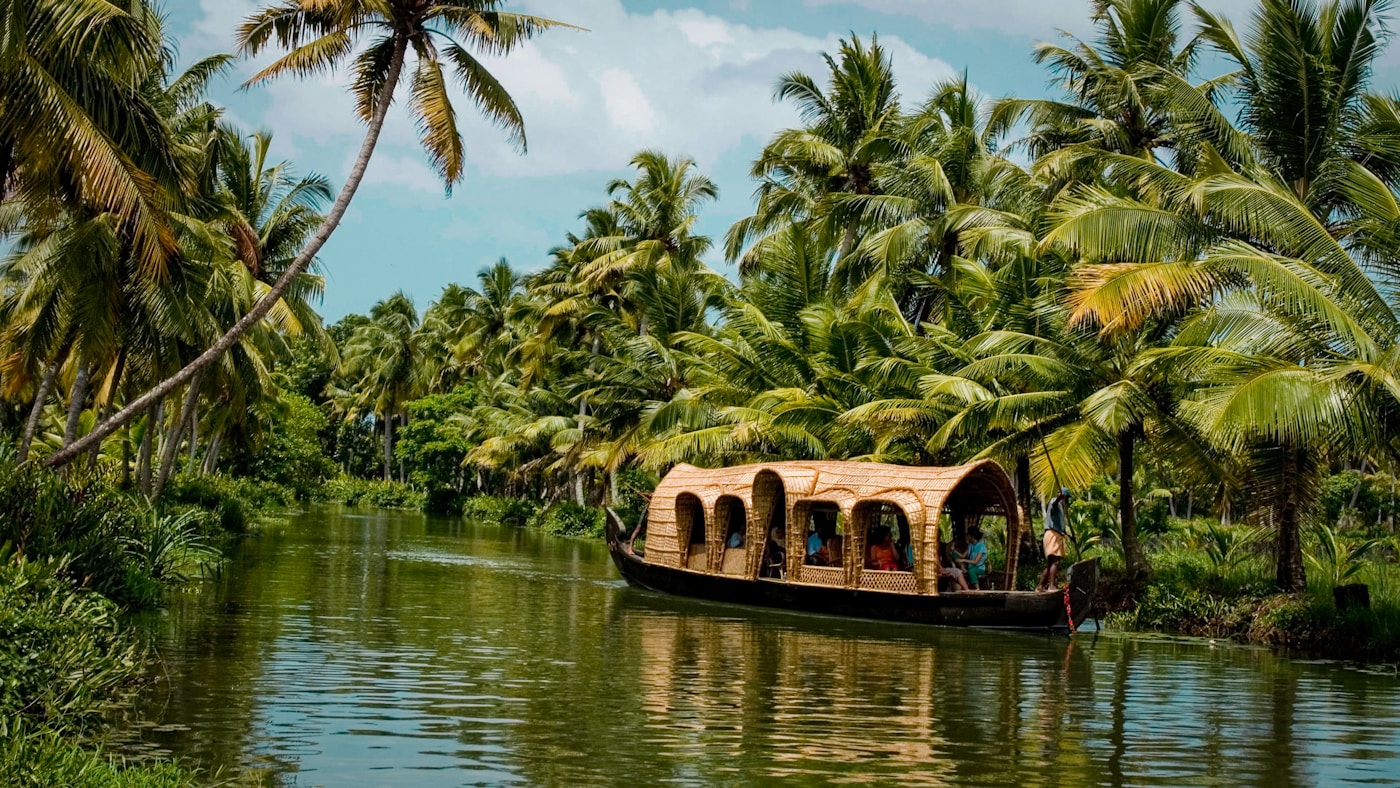
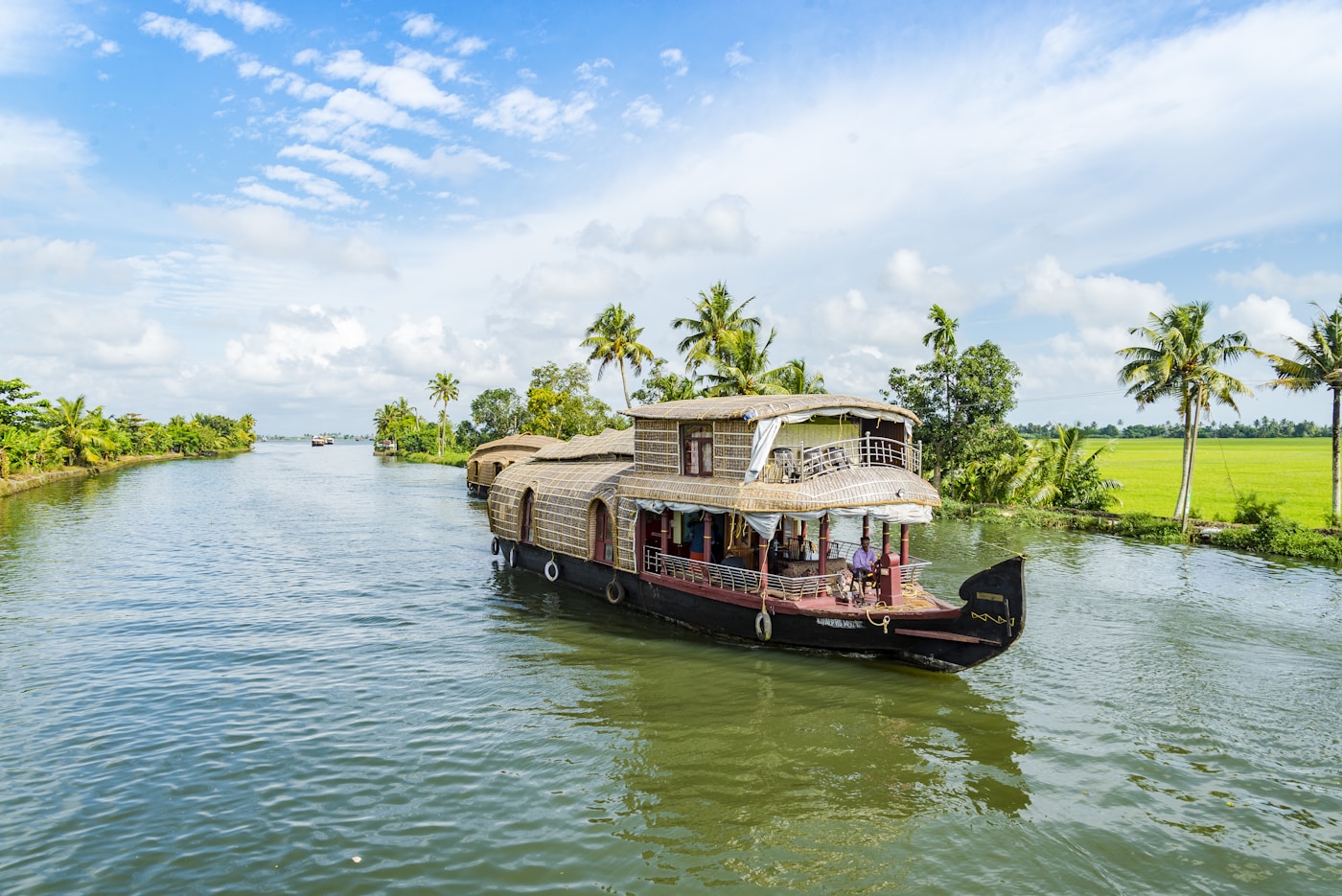
The case for Kerala: the unique social development profile that the United Nations and academic literature has framed as the Kerala Model (high literacy, high life expectancy, low infant mortality at a per capita GDP 60 percent of the Indian national average), the strong English language penetration that exceeds any other Indian state (81 percent of urban Kerala residents speak working English alongside Malayalam, Tamil, or Hindi), the strong IT services sector at the Infopark in Kochi and the Technopark in Thiruvananthapuram (the Technopark in Trivandrum is the largest IT park in India by physical area, hosting 460 companies including Oracle, Infosys, TCS, UST Global, Allianz, and Tata Elxsi with 75,000 employees), the lower cost of living relative to Bangalore, Mumbai, or Chennai at a similar or better quality of life on most measurable axes, the unique geography (the backwaters, the Western Ghats, the 580 kilometer coastline, the dense tropical agriculture), and the Ayurvedic health tradition that draws international wellness tourism. The case against, when there is one, is named below in section 12. If you want the comparison view, start with Kerala vs Goa or Kochi vs Bangalore.
The data feeding this report is sourced from our methodology page, with primary sources at the foot. Numbers are May 2026 unless stated otherwise. Currency is the Indian rupee, with USD conversion in parentheses where useful. The report treats Kerala as a state level entity rather than a single city because the urban population is distributed across Kochi (1.6 million metro), Thiruvananthapuram (1.7 million metro), Kozhikode (2.0 million metro), and the dense Malabar coastal urban corridor in a way that no single Kerala city captures the state level data. The 2026 update reflects the post 2024 monsoon season recovery, the Kerala state IT export growth of 18 percent year on year for fiscal 2024 to 2025, and the continued expansion of the Vizhinjam International Deepwater Multipurpose Seaport which commenced commercial operations in July 2024.
One reading note. This is the long form report. If you only want the headline numbers, the city score generator returns the index figure with custom weights in 30 seconds. If you want the comparison view across two cities, the Kochi vs Bangalore page is the first stop. If you want the full continent context, Asia places Kerala on the regional table, and India sets the country level frame.
№ 02 , Cost of Living
The monthly arithmetic.
Twelve line items priced in May 2026 for a single resident living in a central two bedroom in Kochi or Trivandrum. Family of four numbers run 1.9 times the single resident figure on the western expatriate standard.
Line item
Single, 1 bed
Rent, central two bedroom Kochi Marine Drive32,000 rupees
Rent, central two bedroom Trivandrum28,000 rupees
Family three bedroom rent52,000 rupees
Groceries, single (mixed local plus western)85 dollars
Groceries, family220 dollars
Public transport (KSRTC bus and Kochi metro)18 dollars
Total monthly all in for a single Western expatriate resident in a central Kochi Marine Drive two bedroom: 820 dollars. That puts Kerala dramatically below virtually every Western European or North American comparison and 28 to 38 percent below the equivalent Bangalore, Mumbai, or Chennai expatriate cost basis. The Indian cost basis is highly variable depending on the lifestyle profile; a resident on the local Kerala middle class standard (Indian food, local transport, local entertainment) can run on 380 to 520 dollars a month all in, while a resident on the Western expatriate standard (imported groceries, international school for children, regular international travel) can run on 1,800 to 3,400 dollars a month. For the family of four equivalent on the Western standard, multiply the headline by 2.4 and you reach 1,950 dollars before international school, which is the line item that changes the math.
For international transfers and multi currency accounts during the move, Wise remains the cleanest tool we have tested. The Indian banking system remains restrictive on outbound and inbound international wires under the Reserve Bank of India Liberalised Remittance Scheme; Wise typically processes a USD to INR transfer at within 0.5 percent of the mid market rate compared with the 2.5 to 4.0 percent margin most Indian retail banks apply. The annual LRS outbound cap is 250,000 dollars per individual; international remittance inward to Kerala is one of the largest single inflows to the Indian economy at 36 percent of state GDP driven by the Gulf Cooperation Council expatriate worker community. Booking the first month through Booking.com while you find a long term contract is the standard play. See the 2026 cost of living report for the city by city table.
Three quiet costs new residents tend to underestimate in Kerala: the rental advance (one to three months rent paid as refundable deposit, which often disappears in the post tenancy reconciliation if the relationship with the landlord sours), the foreigner registration fees (the FRRO Foreigners Regional Registration Office processing for any stay over 180 days), and the air conditioning electricity cost during the hot pre monsoon March through May window (the central tariff doubles past the 250 unit monthly threshold and can run 65 to 120 dollars a month for sustained air conditioning use). The India tax guide works through the new tax regime (the simplified rate structure that became the default in fiscal 2023 to 2024) and the old tax regime (with the section 80C deductions). Note: the Kerala state government applies the alcohol monopoly through the Kerala State Beverages Corporation Limited (Bevco); alcohol pricing is dramatically higher than the Goa or Tamil Nadu equivalent, and the licensed bar density is lower than virtually any Indian state outside the Gujarat prohibition.
The bedroom range is wide. A studio in the Fort Kochi heritage quarter runs 18,000 rupees. A two bedroom in Marine Drive or Panampilly Nagar runs 28,000 to 42,000. A three bedroom villa in the Kakkanad IT corridor or the Trivandrum Kowdiar diplomatic quarter runs 55,000 to 95,000. The Kerala rental market guide walks the major urban areas (Kochi Marine Drive, Fort Kochi, Kakkanad, Trivandrum Kowdiar, Vellayambalam, Kozhikode, Kannur) and the actual asking prices from the May 2026 sample.
Salary equivalent
What does your salary need to look like in Kerala?
Equivalent in Kerala
$695
Adjusted for cost of living, tax position, and currency. Recalculated against a 820 dollar a month baseline.
№ 03 , Safety
A 10 point read on streets, day and night.
Kerala scored 8.2 overall. The breakdown matters more than the headline.
Overall8.2
Solo female, day7.8
Family with kids8.6
After dark, central7.6
Compared with the rest of the index, Kerala sits in the upper tier on three of four safety axes when measured against the Indian state average and in the European mid tier when measured against the global benchmark. The state ranks first in India on the Indian National Crime Records Bureau (NCRB) Crime in India Statistics for overall lowest violent crime per capita, and consistently in the top three on the various Indian state level safety rankings. The Kerala Women and Child Development Department reports lower rates of crimes against women relative to the Indian national average; the dominant concerns for foreign residents remain pickpocketing in the tourist concentration zones (Fort Kochi, Munnar, Alleppey), road traffic safety (Indian road traffic remains chaotic by international standards), and the monsoon season (June through September) flood and landslide risk in the hill districts.
Practical notes for new residents: violent crime in Kerala is statistically low for an Indian state (the NCRB recorded 1.1 homicides per 100,000 in 2024); road traffic injury is the dominant safety risk, with the World Health Organization estimating 14 to 18 road traffic deaths per 100,000 across India (the Kerala rate is below the national average but still elevated by Western European standards). Carry an international policy from SafetyWing for the first six months while your local health insurance through Star Health, ICICI Lombard, or Niva Bupa is set up. The full safety methodology is on our methodology page.
The four categories that make up the overall safety score are violent crime, property crime, traffic safety, and emergency response time. Kerala is strongest on family and violent crime, weakest on traffic safety (the road traffic mortality rate remains the dominant negative on the Indian state safety profile) and after dark public space (the 7.6 night score reflects the limited public transport after 22:00 and the limited central pedestrian infrastructure in the urban centers; the safer course at night is the prepaid Uber or Ola). The Kerala safety deep dive walks the four categories with underlying NCRB and Kerala Police statistics.
№ 04 , Weather
The climate in plain numbers.
tropical monsoon, Am under Koppen, 88F summer highs, 73F winter lows, 78 percent humidity year round, 2,720 hours of sun a year, 3,055 mm annual rainfall on average
The best months to live in Kerala are November, December, January, February. The worst, in our reader survey, was July for the southwest monsoon (Kerala receives 3,055 millimeters of annual rainfall, concentrated 78 percent in the June through September window, with August averaging 28 wet days at the Kochi station) and May for the pre monsoon heat (daytime highs run 89 to 95F for 22 days a year on the May 2024 average). The Kerala monsoon is genuinely intense by global standards; the 2018 floods caused 483 deaths and an estimated 4.4 billion dollars in damage, the 2019 floods displaced 1.2 million people, and the August 2024 Wayanad landslides killed 254 people in the hill districts. For a city that can match your home weather, see the climate match tool. For seasonal travel within the same climate band, the tropical climate ranking is the standard cross reference.
Climate practical notes for Kerala: the housing stock is genuinely tropical (the traditional Kerala house features steep tiled roofs, open courtyards, and natural cross ventilation, the modern apartment buildings rely heavily on air conditioning), the humidity is the dominant comfort variable (76 to 84 percent humidity year round), and the air conditioning electricity load runs 65 to 120 dollars a month for sustained use in the hot pre monsoon March through May window. The Kerala State Electricity Board (KSEB) tariff is reasonable but doubles past the 250 unit monthly threshold. The Kerala housing quality guide breaks down what to look for during viewings. Avoid ground floor apartments in flood prone districts; the Ernakulam, Kozhikode, and Alleppey low lying areas have seen repeated flood events since 2018.
Air quality in Kerala is excellent by Indian standards and reasonable by Western European standards, with PM2.5 averages below the WHO threshold for eight months a year. The southwestern monsoon onshore wind cleans the atmosphere from June through September, and the absence of major heavy industry (the Kerala economy is dominated by services, IT, agriculture, and remittance inflows rather than steel or coal) keeps the dominant pollution sources to road traffic and household solid fuel burning. The Central Pollution Control Board (CPCB) monitoring places Kerala consistently in the top 3 Indian states for air quality. The Kerala air quality report tracks PM2.5 and ozone month by month. If you have asthma or a young child, this is the cleanest air state in the Indian report set.
Climate adaptation is a longer conversation, and Kerala faces a significant tropical climate change exposure. The 2024 to 2026 trend lines for the Malabar coast track an accelerating pattern: more variable monsoon intensity (the 2018 and 2019 flood years followed by drought stress in 2020 and 2023), accelerating sea level rise that affects the Vembanad backwater system and the densely populated Kochi and Alleppey low lying districts, and the increasing frequency of cyclonic storm activity in the Arabian Sea that historically tracked away from the Malabar coast but has affected Kerala more frequently since 2017. The climate resilient cities article ranks the 50 cities we track on flood, fire, and heat dome exposure; Kerala scores in the lower quartile on long term flood and monsoon resilience despite the strong state level disaster response infrastructure.
№ 05 , Jobs and Salary
Who pays, and how much the tax takes back.
Salary medians are May 2026, sourced from Glassdoor, Levels.fyi, and OECD wage data. Tax figures are from the official revenue authority.
Doctor (private hospital consultant)2,200,000 rupees
Combined effective top marginal39 percent at 1.5 million rupees
The major employers in Kerala are: the IT services cluster at the Technopark Thiruvananthapuram (the largest IT park in India by physical area, with 460 companies including Oracle, Infosys, TCS, UST Global, Allianz, Tata Elxsi, and Capgemini employing 75,000 staff combined) and the Infopark Kochi (the secondary IT cluster with 400 companies and 65,000 employees including Wipro, IBS Software, Cognizant, EY Global Delivery Services, and the IBM India operations), the regional financial sector anchored by the Federal Bank (the largest private sector bank headquartered in Kerala, with 1,400 branches and 14,000 staff), the SBI Kerala regional operations, the Cochin Shipyard Limited (the largest shipyard in India, located on Willingdon Island in Kochi), the Cochin International Airport Limited (the world's first fully solar powered airport, with the operating company that pioneered the Indian PPP airport model), the Vizhinjam International Deepwater Multipurpose Seaport (operated by Adani Ports, commenced commercial operations in July 2024 and projected to handle 6.6 million TEU annually at full capacity), and the dense Gulf Cooperation Council remittance economy (an estimated 2.6 million Kerala migrants work in the United Arab Emirates, Saudi Arabia, Qatar, Kuwait, Bahrain, and Oman, sending home remittances that account for 36 percent of Kerala state GDP). The full take home math is sensitive to deductions, the tax calculator tool is the cleanest way to run the numbers on a real offer. For benchmarking, the highest paying cities ranking and the Kochi vs Bangalore comparison cover the major Indian destinations on the same chart.
Note on tax: the Indian income tax system runs two parallel regimes in fiscal 2025 to 2026: the new tax regime (the default since fiscal 2023 to 2024, with a simplified rate structure starting at 0 percent below 400,000 rupees, 5 percent to 800,000 rupees, 10 percent to 1.2 million rupees, 15 percent to 1.6 million rupees, 20 percent to 2.0 million rupees, 25 percent to 2.4 million rupees, and 30 percent above 2.4 million rupees) and the old tax regime (with the section 80C deductions, the housing loan interest deduction, the medical insurance section 80D deduction, and the higher slab rates). The Health and Education Cess of 4 percent applies on top of the income tax. The Goods and Services Tax (GST) operates at 5, 12, 18, and 28 percent across goods and services. The Indian tax year runs April to March; the standard new regime suits the salaried professional without significant housing loan or 80C investments, while the old regime suits the salaried professional with substantial deductions and the self employed with business expenses. Read the India tax guide before you accept any six figure rupee offer.
Working culture in Kerala is its own variable. Hours skew Indian rather than Northern European, the standard week is 45 to 48 hours under most Indian Shops and Establishments Act compliant employer policies, the entry level IT services schedule typically operates US client overlap (the night shift premium of 25 to 40 percent applies to staff working US Eastern or US Pacific time zones), the senior management at the major Indian IT services firms (TCS, Infosys, Wipro) typically work 50 to 60 hours a week, and 22 to 28 days of statutory paid leave plus 12 to 15 public holidays apply. The Kerala work week starts earlier than the European norm (the IT services shift starts typically run 09:00 to 18:00 IST for the European overlap and 14:00 to 23:00 IST for the US overlap). The Kerala working culture guide covers the specifics. Read the relocation checklist for the items the recruiters skip.
One more lens. The dual income household question. In India, the spouse visa (the X3 dependant visa) does not automatically grant work rights; the working spouse typically needs to convert to an Employment Visa or an Overseas Citizen of India (OCI) card to take up paid work. The spouse visa guide covers the 30 most common destination cities. For non Indian professionals, the Employment Visa is the standard inbound route, with the minimum annual salary threshold of 25,000 dollars and the requirement that the position cannot be filled by an Indian national. The OCI card (available to Persons of Indian Origin and their non Indian spouses after the relevant qualifying period) offers permanent residence rights and the ability to work without an Employment Visa.
№ 06 , Neighborhoods
Where to actually live.
8 urban centers across Kerala, each with the rent number and a one line verdict.
For long term rentals, residents use the regional broker network (the broker fee runs one month rent), Magicbricks, NoBroker, 99acres, and the local Facebook expatriate groups for the most complete listings. The Indian rental documentation is heavy: prepare a valid passport with the long term visa, the FRRO Foreigners Regional Registration Office receipt, three months of bank statements or salary slips, a guarantor or employer letter, and the rental advance of one to three months rent. Expect to compete with 4 to 12 other applicants on a desirable Marine Drive or Trivandrum Vellayambalam unit. The relocation checklist covers the documentation.
Two neighborhood rules of thumb the data supports. First, the IT corridor option (Kakkanad in Kochi, Kazhakoottam in Trivandrum) is the cleanest default for the corporate expatriate because the commute to the major employers is short, the housing stock is dominated by newer apartment buildings with air conditioning and backup power, and the international school options are concentrated near the IT parks. Second, the heritage option (Fort Kochi, Mattancherry, the Trivandrum old town) trades commute and modern amenities for a substantially more interesting daily lifestyle at a noticeable rent discount; this is the standard play for the writer, the artist, the remote worker, and the early stage retiree. Track those rules across the eight Kerala urban areas above and you can usually pick the right one in fifteen minutes.
№ 07 , Healthcare
The system, the cost, the wait.
Healthcare scored 7.8 on a 10 point scale. The methodology weights access, cost, and outcomes equally.
Mixed public and private healthcare system in Kerala, with the state outperforming the Indian national average on virtually every health outcome metric (the Kerala infant mortality rate of 6 per 1,000 is dramatically below the Indian national average of 28, the life expectancy of 77 years exceeds the Indian national average of 71, and the maternal mortality ratio is the lowest of any Indian state). The public system operates through the Kerala State Health Services Department network of district hospitals, taluk hospitals, primary health centers, and the Government Medical Colleges in Thiruvananthapuram, Kottayam, Alappuzha, Thrissur, Kozhikode, Manjeri, Idukki, Konni, Pariyaram, and Kannur. The private hospital sector is dense by Indian standards, anchored by the Aster Medcity in Kochi (the largest single hospital in Kerala with 720 beds, JCI accredited), the Amrita Institute of Medical Sciences in Kochi (1,250 beds, JCI accredited, the largest medical college hospital in Kerala), the KIMS Healthcare network (Thiruvananthapuram, Kochi, Kollam), the Aster DM Healthcare network, and the Lakeshore Hospital network. Outcome metrics for Indian healthcare overall remain mixed; Kerala outperforms the national average on every measurable axis.
For new arrivals: the Indian public healthcare system is technically available to foreign residents on a pay as you go basis at low cost (a consultation at a government district hospital runs 5 to 15 rupees, a consultation at a Government Medical College outpatient department runs 25 to 50 rupees), but the dominant route for Western expatriates is the private hospital sector with private health insurance through the Indian insurers (Star Health, Niva Bupa, ICICI Lombard, HDFC Ergo, Care Health, Manipal Cigna). A standard family floater health insurance policy for a single adult runs 8,000 to 18,000 rupees a year (95 to 215 dollars); a family floater for two adults plus two children runs 18,000 to 35,000 rupees a year (215 to 420 dollars). Pick up an interim international policy from SafetyWing or Cigna Global for the gap between arrival and local cover; the international cover offers the substantially better evacuation and tertiary care abroad option for serious medical events. The expat insurance guide covers the trade off in detail.
Private healthcare in Kerala is genuinely high quality at a dramatically lower cost than Western European or North American equivalents. A private cardiology consultation runs 700 to 1,400 rupees (8 to 17 dollars), a dermatology visit 600 to 1,200 rupees (7 to 14 dollars), a private orthopedic specialist 800 to 1,800 rupees (10 to 22 dollars). The major Indian private hospital networks operate substantial international medical tourism business, with the Aster Medcity, the Amrita Institute, and the KIMS network all reporting growing international patient volumes through their International Patient Departments. The Kerala Ayurveda tradition is unique in India; the state operates 1,400 registered Ayurvedic practitioners and 700 traditional treatment centers, with the dedicated Ayurvedic resort and panchakarma treatment infrastructure that draws international wellness tourism. Mental health services have improved materially in Kerala over the past five years; the wait for a private psychiatry consultation in Kochi or Trivandrum runs 1 to 3 weeks at the cost of 800 to 1,800 rupees per session (10 to 22 dollars). The expat mental health guide covers what private and public look like across our top 50 cities.
№ 08 , Education and Family
Schools, if you have kids.
The international school option, the local school option, and the cost of each.
Kerala hosts 12 international schools accredited by IB, Cambridge International, or CIS across the state, concentrated in Kochi and Thiruvananthapuram. The major Kochi options include Choice School, Global Public School (CBSE), Toc H Public School, and the Bhavans Vidya Mandir network. The Trivandrum international options include Sarvodaya Vidyalaya, Christ Nagar International School, and the Loyola School. The local Kerala state Board of Higher Secondary Examination (Kerala SSLC and Plus Two) schools are free or low cost and operate substantially above the Indian national average on outcome metrics; Kerala consistently ranks first or second among Indian states on educational outcomes. The international school route is the standard for the expatriate family on a five year posting; tuition runs 180,000 to 580,000 rupees a year per child (2,150 to 7,000 dollars) plus enrollment fees, dramatically below the international school cost basis in Dubai or Singapore.
The family rating for Kerala weights school quality, park access, safety, healthcare, and the cost of a three bedroom flat. See the best cities for families ranking for the full table. The relocating with kids guide covers the school admissions calendar; in Kerala the academic year runs June to April with the major break in May (during the pre monsoon heat), and the school admission cycle for the international schools typically opens in November and December for the following June entry.
Beyond school, the family experience in Kerala is shaped by what is genuinely unique to the state: the universal literacy that means even the smallest village has a library and a strong primary school, the dense network of public sports and youth clubs that the Kerala State Sports Council operates, the natural environment (the Western Ghats, the backwaters, the long coastline) that delivers a quality of childhood that few urban Western environments can match, the strong Ayurvedic and traditional health practice integration into family routines, and the high English language penetration that means the foreign family child can navigate the local environment from week one. Kerala scores very high on the unique family environment dimensions (literacy, nature access, low violent crime, dense extended family social structure for the integrated international family), and moderate on the dimensions where India as a whole struggles (traffic safety, air quality during the November to February dust season, the heat and humidity discomfort for the unacclimated child). The family budget guide models the realistic monthly all in figure across 30 destination cities, and Babbel is the cleanest entry point for the parent who wants a working level of Malayalam inside six months (Malayalam is genuinely hard for the Indo European native speaker; the timeline for functional adult competence runs 12 to 24 months).
For the working couple, full time daycare in Kerala runs 12,000 to 35,000 rupees a month at the private nursery and creche networks (the Kangaroo Kids, the Eurokids, the Mother's Pride chains operate in Kochi and Trivandrum), with the Anganwadi public early childhood centers providing free nutrition and basic learning for children of Indian residents (limited access for foreign residents). The Kerala childcare guide works through the application timeline. Tuition at the Indian Institute of Management Kozhikode (IIM Kozhikode, the elite Indian business school) runs 2,200,000 rupees for the two year postgraduate program; tuition at the Cochin University of Science and Technology and the Kerala University of Fisheries and Ocean Studies remains low under the Indian public university tuition framework. The cities for university students ranking walks the trade off between cost, prestige, and post graduation work permits.
№ 09 , Transport
Walk, ride, or drive.
Walkability 6.4, transit 6.8, bike 5.2. Car needed: Recommended.
Walk6.4
Transit6.8
Bike5.2
Car neededRecommended
Transport in Kerala varies dramatically by urban center. Kochi operates the Kochi Metro Rail (the first metro system in India to integrate the conventional rail station with the boat jetty, with 28 stations across 30 kilometers from Aluva to Pettah, opened in 2017 and continuously expanded since), the Kochi Water Metro (the unique electric ferry network across the Vembanad backwaters connecting 38 stations and 16 islands, opened in 2023 as the first metropolitan water transport system in South Asia), and the Kerala State Road Transport Corporation (KSRTC) interstate bus network. Trivandrum has no metro rail (the metro is under planning) and relies on the KSRTC city service and the suburban autorickshaw and taxi fleet. The Indian Railways network connects Kochi, Trivandrum, Kozhikode, Kannur, and the major urban centers with the southern coastal route to Chennai and Bangalore. Single Kochi Metro fare 10 to 60 rupees depending on distance, 18 dollars for the unlimited monthly Kochi Metro and Water Metro combined pass. Walking infrastructure in the central urban areas is moderate; the pavement quality is variable, the road traffic prioritizes vehicles over pedestrians, and the monsoon season limits comfortable walking June through September. For relocation scouting trips and the suburban or out of state travel, a rental from Discover Cars covers most needs at 1,400 to 3,200 rupees a day (17 to 38 dollars); the Indian driving license is required for foreign residents staying over 30 days (the International Driving Permit is accepted for the first 180 days, the Indian permit conversion through the Regional Transport Office is straightforward for foreign nationals with a valid driving license). The dominant urban transit mode for the foreign resident is the prepaid Uber or Ola; the Kerala specific autorickshaw culture remains active but the smartphone hail apps now dominate.
Airport access in Kerala is one of the strongest in India for a state of this population size. Cochin International Airport (the world's first fully solar powered airport, opened 2015 in solar mode) handled 10.9 million passengers in 2024, ranking it the seventh busiest in India with direct service to 32 destinations including the Gulf Cooperation Council hubs (Dubai, Abu Dhabi, Doha, Sharjah, Muscat, Manama, Riyadh, Jeddah, Dammam, Kuwait) that anchor the dominant Kerala expatriate worker route, the South Asian hubs (Singapore, Kuala Lumpur, Bangkok), the major Indian hubs (Mumbai, Delhi, Bangalore, Chennai, Hyderabad, Kolkata), and the seasonal European charter routes. Trivandrum International Airport handled 3.8 million passengers in 2024, with direct service to the Gulf hubs and major Indian cities. Calicut (Kozhikode) International Airport handled 2.4 million passengers, primarily on the Gulf route. Kannur International Airport (opened 2018) handled 1.2 million. The Kerala airport access guide walks the four major airports with the actual costs and times. For frequent flyers, the best airport cities ranking tracks the connectivity.
№ 10 , Culture and Cuisine
What makes Kerala itself.
The food signatures, the nightlife rating, the cultural calendar.
Food in Kerala: this is one of the most distinctive regional cuisines in India, defined by the use of coconut in almost every preparation (the coconut grows in dense palm groves across the state, the coconut milk replaces cream in curry, the coconut oil is the dominant cooking fat, the toasted coconut adds the signature texture), the seafood from the long Arabian Sea coast (karimeen pearl spot fried in banana leaf, the prawn curry, the squid roast, the meen pollichathu fish baked in banana leaf), the dominant tradition of the sadya (the elaborate banana leaf vegetarian feast served at festivals and weddings, comprising 26 to 32 dishes), the strong Christian and Muslim culinary traditions (the Syrian Christian beef stew with appam, the Malabar biriyani that the locals consider distinct from the Hyderabadi or Lucknowi biriyani traditions), the spice trade legacy (the black pepper, cardamom, cinnamon, and clove that built the Malabar coast economy from the 14th century), and the recent renaissance of fine dining anchored at Kashi Art Cafe in Fort Kochi, Mathsya at the Marriott Kochi, the Spice Trail in Trivandrum, and the Backwater Ripples Resort dining. The nightlife scores 4.2 on the 10 point scale, the methodology weights bar density, late hour transport, and the diversity of the scene. The best cities for nightlife ranking places this in context: Kerala sits at the quiet end of the Indian state nightlife spectrum because the alcohol licensing regime through the state monopoly Bevco limits the bar density dramatically (the only licensed venues for alcohol consumption are designated bars in licensed hotels, restaurants, and the Bevco retail outlets).
Cultural temperament: literate, leftist, communist, with a long political tradition of organized labor and democratically elected communist governments (Kerala was the first state in the world to elect a communist government democratically, in 1957 under E M S Namboodiripad), a thick artistic heritage (the Kathakali classical dance, the Mohiniyattam classical dance, the Theyyam ritual dance of the Malabar coast, the Kalaripayattu martial art tradition that influenced the development of East Asian martial arts), and a unique demographic profile that the Kerala Model literature has studied for forty years (high female literacy, low fertility, high life expectancy, high net out migration to the Gulf Cooperation Council). For day to day cultural input, the Kerala cultural calendar tracks the festivals (Onam in August or September is the major harvest festival with the elaborate sadya feast and the snake boat races on the backwaters, Vishu in April marks the Malayalam new year, the Thrissur Pooram in April or May is the largest temple festival in Kerala with the elaborate elephant procession, the Kochi Muziris Biennale runs December through April every other year), museum exhibitions, and gigs worth a flight. Tour bookings for first time visitors run cleanest through GetYourGuide.
Two underrated reads on cultural fit: how late the state eats, and how quietly it complains. Kerala eats early relative to North India; dinner at 19:30 to 21:00 is the local default, the restaurant kitchens typically close by 22:30, and the dominant late evening social setting is the family home or the temple festival rather than the bar or the restaurant. The cities for foodies ranking lists the food capitals on a single chart. For complaint culture, the Mathrubhumi, Malayala Manorama, and the Times of India Kerala edition tell you what residents fight about; the Kerala resident grievances roundup reads them so you do not have to. The dominant themes: the recurring monsoon flood and landslide risk and the disaster response infrastructure, the persistent question of the alcohol licensing regime under Bevco, the gradual decline of the Gulf Cooperation Council remittance economy as the Gulf states diversify their domestic workforce, the political competition between the Left Democratic Front (LDF) and the United Democratic Front (UDF) that dominates Kerala politics, and the question of how to develop the state's tourism and IT economy without compromising the unique social development profile.
№ 11 , Remote Work
Internet, visas, and where to plug in.
Median internet speed 145 Mbps in the urban centers. Coworking density: 32 spaces across Kochi and Trivandrum. The Employment Visa or the OCI card route serve as the de facto inbound channels for foreign professionals.
The remote work rating for Kerala is moderate on infrastructure and dependent on the visa profile for non Indian residents. The median internet speed of 145 Mbps places Kochi and Trivandrum in the upper Indian range (Reliance Jio Fiber, Airtel Xstream Fiber, BSNL Fiber, and the local Asianet Broadband all operate FTTH across the major urban areas), the coworking density of 32 spaces is strong for a state of this profile driven by the Technopark Trivandrum and the Infopark Kochi corporate environment, and the time zone overlap with the rest of Asia is workable (IST is GMT plus 5:30, 2.5 hours ahead of Europe and 9.5 to 12.5 hours ahead of the US). For a privacy layer on local networks and the necessary VPN for some US Netflix and BBC iPlayer content, NordVPN remains the cleanest option we have tested. The best cities for remote work ranking covers the full table.
For nomads: India does not operate a dedicated digital nomad visa equivalent to the Portuguese D8 or the Thai LTR. The de facto inbound routes for foreign professionals are the Employment Visa (which requires a sponsoring Indian employer and a minimum annual salary of 25,000 dollars), the Business Visa (for project work or contractor engagement with an Indian counterparty), and the long term tourist visa (the e Tourist Visa of up to 180 days per visit, with the requirement to leave India between visits). Persons of Indian Origin and their non Indian spouses qualify for the Overseas Citizen of India (OCI) card after the relevant qualifying period, which grants permanent residence rights and the ability to work without a visa. The nomad visa guide 2026 tracks the eligibility across 47 cities.
For coworking specifically, premium operators like WeWork Kochi at the Centro Mall, the Awfis network in Kochi and Trivandrum, the Cowrks at the Technopark, the IndiQube at the Infopark, and the smaller local operators in Fort Kochi (the Studio 6, the Bayleaf Coworking) run 8,000 to 18,000 rupees a month (95 to 215 dollars) for a hot desk and 18,000 to 38,000 rupees a month for a private office. The mid market option runs 6,000 to 12,000 rupees a month for unlimited access plus mail handling. The Kerala coworking guide tracks the specific operators. The best cities for digital nomads ranking places Kerala (Kochi specifically) as an emerging Indian nomad destination, attractive primarily for the cost basis, the English language penetration, and the backwater lifestyle rather than the global nomad community density of the hub cities.
№ 12 , The Verdict
Who should move to Kerala, and who shouldn't.
Kerala works for the IT services professional at the Infopark Kochi or the Technopark Trivandrum, the retired or partly retired Indian or Western couple seeking the lower cost tropical climate with strong English language and healthcare infrastructure, the Person of Indian Origin or Overseas Citizen of India returning to family roots, the writer or remote worker on the Western salary in the Fort Kochi heritage quarter, and the wellness tourism or Ayurveda specialist drawn by the unique traditional health infrastructure. Below 600 dollars net monthly the lifestyle compression on the Western standard gets sharp; above 2,500 dollars net the state becomes one of the higher quality of life destinations for the cost basis anywhere in Asia. The case against has hardened since 2018: the monsoon flood risk has materially increased with the 2018, 2019, and 2024 major flood and landslide events, the road traffic safety remains poor by international standards, the alcohol licensing regime through the Bevco monopoly limits the bar and restaurant scene relative to Goa or the Southeast Asian alternatives, the Gulf Cooperation Council remittance economy that has anchored Kerala state finances for forty years is in slow decline as the Gulf states diversify their domestic workforce, and the political instability that the regular LDF and UDF alternation in power creates affects policy continuity. None of that erases the core. The literacy and the social development profile that the Kerala Model literature has studied since the 1970s. The unique geography of the backwaters, the Western Ghats, and the long Arabian Sea coast. The Ayurveda and traditional health infrastructure that draws international medical tourism. The Kochi Muziris Biennale and the cultural calendar that anchors the state in the global contemporary art conversation. The Infopark and the Technopark that sustain a serious IT services employment base. The Cochin International Airport that delivers Gulf and European connectivity. The cost basis that runs 35 to 55 percent below the equivalent Bangalore or Mumbai Western expatriate budget. If you can secure the Employment Visa or qualify through the OCI card, you live in the Indian state that virtually every academic literature ranks at the top of the regional social development table, with the unique tropical environment and the strong English language infrastructure that makes the integration substantially easier than the alternative Indian destinations. That is rarer than this site usually admits.
The everycity.guide dispatch is one email a month. New city reports, the latest cost of living refresh, and the comparisons readers asked for. No tourism brochure copy.
Sources, May 2026. Numbeo cost of living index May 2026 · Mercer Cost of Living Survey 2026 · OECD Income Distribution Database 2025 · World Bank Open Data 2025 · Speedtest Global Index April 2026 · EIU Safe Cities Index 2024 · the relevant national tax authorities for headline rates · Glassdoor and Levels.fyi for salary medians · the national statistics office of India · OpenStreetMap and national transit operator data for transport scoring. First published May 14, 2026. Last updated May 14, 2026.