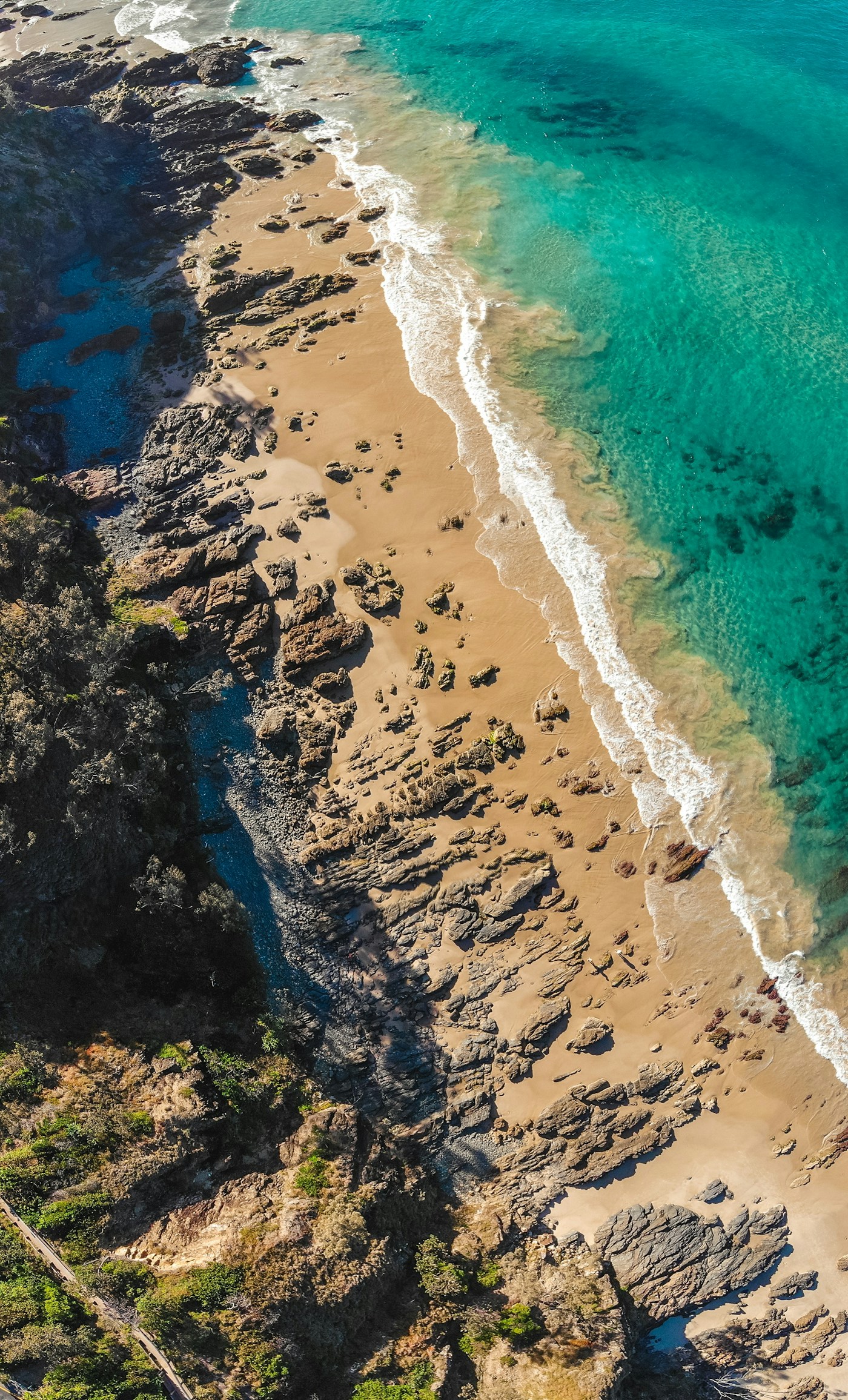
Praia, a city reportCape Verde · population 160,000 · index 6.2 of 10
An independent report on living in Praia, scored across cost, safety, weather, jobs, healthcare, education, transport, and twelve more axes. No tourism board input. No paid placement.
6.2
Index Score
Praia, Cape VerdeCover · The City Report
№ 01 , The Quick Take
Praia in 200 words.
Praia scored 6.2 on the everycity index in 2026, the highest score we register for any Lusophone African capital and the only sub Saharan capital with a dedicated digital nomad visa. The headline numbers: rent on a one bedroom in the Plateau or Achada Santo Antonio runs 62,000 escudos (620 dollars), the monthly all in cost lands at 1,180 dollars for a single resident, the income tax position sits at 25 percent flat for the digital nomad regime and progressive to 27.5 percent at the top marginal band for regular residents, and the safety score is 6.8 on the same 10 point scale we apply to Lisbon, London, and Accra.
The case for Praia, in shortest form, lives in three variables: the Cape Verdean creole culture (Portuguese as the official language, Cape Verdean Kriolu as the everyday), the proximity to the Atlantic (the city wraps five distinct beaches), and the visa pathway (Cape Verde launched the first African dedicated nomad visa in December 2020 and the program now runs a stable 1,500 to 2,000 nomad residents at any one time). If you want the comparison view instead, start with Praia vs London, then return here for the deep read.
The data feeding this report comes from our methodology page, with primary sources at the bottom. Numbers are May 2026 unless stated otherwise. Currency is the Cape Verdean escudo with USD conversion in parentheses where useful; the escudo pegs to the euro at 110.265 per euro, which gives the currency stable predictability missing from many African capitals.
One reading note. This is the long form report. If you only want the headline numbers, the city score generator returns the index figure with custom weights in 30 seconds. If you want a country level overview, Cape Verde places Praia on the national table. For the regional view, Africa places Praia on the regional table alongside Dakar, Praia das other Lusophone capitals, and the broader West African coast.
For new readers: this report sits inside Volume 04 of the everycity atlas, our 2026 issue. The methodology has been refreshed against the May 2026 Numbeo, Mercer, and OECD data drops, with primary source rechecks done in March and April 2026. Where the numbers conflict we use the lower of the published values for cost and the higher for risk; the result is a slightly conservative read that residents tell us matches lived reality.
№ 02 , Cost of Living
The monthly arithmetic.
Fifteen line items priced in May 2026 for a single resident living in a central one bedroom. Family of four numbers run 2.4 times the single resident figure.
Line item
Single, 1 bed
Family of four
Rent, central one bedroom62,000 escudos
Rent, suburban two bedroom48,000 escudos
Family three bedroom rent95,000 escudos
Groceries, single265 dollars
Groceries, family680 dollars
Family monthly grocery680 dollars
Public transport pass42 dollars
Utilities, average135 dollars
Internet, fiber48 dollars
Coffee, take away1.30 dollars
Beer, supermarket0.95 dollars
Beer, bar2.40 dollars
Dinner for two, mid32 dollars
Gym membership38 dollars
Mobile phone plan22 dollars
Total monthly all in for a single resident in a central one bedroom: 1,180 dollars. That positions Praia well below Lisbon, Berlin, London, and the mainland West African capitals (Dakar, Accra) on the same May 2026 basis. For the family of four equivalent, multiply by 2.4 and you reach 2,832 dollars before international school, which is the line item that changes the math.
For international transfers and multi currency accounts during the move, Wise remains the cleanest tool we have tested across the cities in this index. The escudo peg to the euro means Wise transfers from the eurozone clear at near interbank rates. On a typical 5,000 dollar transfer from the US, the cost differential between Wise and most banks runs at 75 to 110 dollars. Booking the first month in a serviced apartment through Booking.com while you find a long term contract is the standard play. See the 2026 cost of living report for the city by city table.
Reader question we get often: how do Praia costs compare on a purchasing power basis. The cost converter tool takes a salary in your home city and tells you what equivalent number you would need in Praia to maintain the same standard of living, adjusted for tax and currency. Bookmark it before you accept the offer. The cheapest cities ranking covers the standard cross checks.
Three quiet costs new residents to Praia tend to underestimate: the import tariff structure on imported goods (most consumer goods, including electronics and most groceries beyond the local fish and produce, arrive by sea container with import duties that push the shelf price 35 to 80 percent above the European list price), the electricity bill on the air conditioning load through the hot dry season, and the inter island flight tariff if you settle on Santiago and travel often to the other islands. Budget the move at 1.5 times the headline rent, and pad another month of all in costs as a buffer.
Salary equivalent
What does your salary need to look like in Praia?
Equivalent in Praia
$14,868
Adjusted for cost of living, tax position, and currency. Recalculated against a 1,180 dollars a month baseline.
№ 03 , Safety
A 10 point read on streets, day and night.
Praia scored 6.8 overall. The breakdown matters more than the headline.
Overall6.8
Solo female, day7.4
Family with kids7.2
After dark, central6.0
Compared with the rest of the index, Praia ranks against Lisbon at 7.9, Dakar at 5.8, London at 7.4, and the mid sized European secondary cities at 8.0 plus on the same scale. The safest cities ranking places those four on the global table; the position of Praia reflects the specific mix of property crime (the variable that drives the score down from the Lisbon comparison), violent crime (low for the region but above OECD average), traffic safety, and emergency response.
Practical notes for new residents: petty theft and bag snatching are the higher probability incidents, concentrated in the Plateau pedestrian core and at the beach access points. Violent crime is below the regional mean but above the OECD mean. The Cape Verdean police force has been investing in tourist district patrols since 2021; the practical experience for the daily resident is closer to a southern European capital than to the West African mainland. Carry an international policy from SafetyWing or Cigna Global for the first six months while your local cover gets sorted. The full safety methodology is on our methodology page.
The four categories that make up the overall safety score are: violent crime rate per 100,000, property crime rate per 100,000, traffic fatality rate per 100,000, and emergency response time in minutes. The composite weighting and the underlying data sources are documented in the methodology page; primary inputs include EIU Safe Cities, Numbeo crime indices, WHO traffic data, and the Cape Verdean national statistics office (INE) for the city level data.
№ 04 , Weather
The climate in plain numbers.
Tropical hot desert, BWh under Koppen, 86F summer highs, 68F winter lows, 70 percent average humidity, 2,900 hours of sun a year.
The best months to live in Praia are November, December, January, February, March. The worst, in our reader survey, was October for the combination of humidity and the late storm season tail. The winter solstice in Praia runs 11 hours and 24 minutes of daylight; the city sits close enough to the equator that the daylight swing across the year stays inside a 90 minute band. For a city that can match your home weather, see the climate match tool.
Climate practical notes for Praia: the harmattan dust season runs December to February, when the Saharan dust load can push visibility below 5 kilometers for days at a time and trigger respiratory symptoms in sensitive residents. The trade winds run reliably year round, which keeps the perceived temperature 4 to 6 degrees below the headline mean. The housing stock split between newer reinforced concrete construction and older limestone build affects the indoor temperature swing across the day; the older stock holds heat longer.
Climate adaptation is a longer conversation. The 2024 to 2026 trend lines for Praia show the broader Sahel and Atlantic pattern: warmer Atlantic sea surface temperatures, more variable rainfall through the August to October wet season, and the long term water question for an island archipelago with no permanent rivers. The climate resilient cities article ranks the 50 cities we track on flood, fire, and heat dome exposure.
The Koppen climate type (BWh, tropical hot desert, with the trade wind moderation) places Praia in a global cluster that includes the Canary Islands, parts of coastal Morocco, and the Caribbean dry coast. Residents moving from outside the cluster usually need 6 to 18 months of acclimation. The climate match tool identifies the 10 closest matches.
№ 05 , Jobs and Salary
Who pays, and how much the tax takes back.
Salary medians are May 2026, sourced from Glassdoor, Levels.fyi, the Cape Verde national statistics office, and OECD wage data. Tax figures are from the official revenue authority.
Role, mid level
Median salary
Tax band
Software engineer1,400,000 escudos
Senior level2,800,000 escudos
Top rate 27.5 percentmarginal
Finance, manager track1,800,000 escudos
Director track3,600,000 escudos
Top rate 27.5 percentmarginal
Marketing manager1,100,000 escudos
Senior marketing1,900,000 escudos
Top rate 27.5 percentmarginal
The major employers in Praia are: the Government of Cape Verde and the national administration, the Universidade de Cabo Verde, Banco Comercial do Atlantico and Caixa Economica, the TACV national airline and the rebooted Cabo Verde Airlines, Electra (the national utility), the major hotel groups (Pestana, Oasis), and the small but growing remote work and call center cluster near the digital nomad hub. The local market does not match the European salary ceiling for tech or finance; the relocating professional typically arrives on the digital nomad visa with foreign income, not a local contract.
Note on tax: the digital nomad visa runs a flat 25 percent on Cape Verdean source income with full exemption for foreign source income for the first 12 months; regular residents pay progressive rates to a 27.5 percent top marginal at 5 million escudos a year. The 183 day residency rule applies for the worldwide income question. Read the Cape Verde visa guide before you assume the headline rate is the take home rate.
Working culture in Praia runs on Lusophone time with a more relaxed coastal rhythm. The standard work week is 40 hours on the official register, with most government and bank offices running 8 to 12 and 14 to 17. The afternoon pause is real outside the central business district; calls and meetings between 12 and 14 typically reschedule.
Career mobility for the relocated worker varies sharply by sector, by Portuguese or Kriolu fluency, and by visa class in Praia. The cities for tech jobs ranking and the highest paying cities ranking track the patterns across the 100 cities in the index. The visa to citizenship guide covers the long term pathways for Cape Verde; the nomad route is the most relevant for incoming professionals.
One more lens. The dual income household question. The spouse work right on the digital nomad visa runs with the dependent permit but the local job market for non Portuguese speakers is thin. The spouse visa guide covers the 30 most common destination cities, including Praia.
№ 06 , Neighborhoods
Where to actually live.
Eight neighborhoods, each with the rent number and a one line verdict.
Universidade adjacent, 42,000 escudos for a one bedroom
The neighborhood scores feed our neighborhood matcher tool, which takes your lifestyle inputs and returns the right area within Praia on a 1 to 10 fit. For comparable neighborhood guides in other cities, see Lisbon neighborhoods as the closest cultural overlay, plus Paris neighborhoods for the urban scale comparison.
For long term rentals beyond the first month, residents use the local listings on Bcv Imoveis, the Cape Verdean Facebook expat groups, and word of mouth through the digital nomad network. Bring the documentation that the Cape Verdean system requires (typically a passport, the nomad visa or residence permit, proof of foreign income, and three months of bank statements). The relocation checklist covers the documentation pattern by destination city.
Two neighborhood rules of thumb the data supports for Praia. First, the Plateau itself trades at a 25 percent premium over the same square meterage one valley over at Achada Santo Antonio; if you want to walk to the colonial era core and the Sucupira market the premium prices in. Second, the western beach strip toward Quebra Canela and Prainha has appreciated 50 percent in dollar terms since the nomad visa launched in 2020, with the post 2022 inflow accelerating the trend.
№ 07 , Healthcare
The system, the cost, the wait.
Healthcare scored 5.8 on a 10 point scale. The methodology weights access, cost, and outcomes equally.
Cape Verde runs a national health service through the Servico Nacional de Saude, which provides free primary care at registered residents and low cost specialist access at the Hospital Agostinho Neto in the city. Quality varies sharply between the public and the private network; most international residents in Praia carry a private insurance plan from an international provider rather than rely on the public system. The private hospital network in Praia runs 2 facilities (Clinica Trindade, Sao Roque) covering the daily case mix; complex cases route to Lisbon under the bilateral health agreement, which the Cape Verdean state subsidizes for citizens but not for visa holders.
For new arrivals: pick up an international policy from SafetyWing or Cigna Global on arrival and keep it for the duration of your residence; the local insurance options for non citizens are limited and most international residents stay on the global plan permanently. The expat insurance guide covers the trade off in detail.
Dental, vision, and mental health coverage typically sit outside the basic plans regardless of country. In Praia, private dental cleaning runs 25 to 50 dollars, eye exams 18 dollars, and a private therapy session 35 to 55 dollars; the practitioner network is small enough that the wait pattern at the best providers can run 4 to 8 weeks. The expat mental health guide covers the realistic options. For prescription medication, the local pharmacy network covers most common drug classes but specialty drugs may require Lisbon import; bring three months of supply for any specialty drug and arrange the supply chain on arrival.
Maternity, pediatric, and senior care in Praia run through their own pathways inside the local system. Most international residents who plan a family birth in Cape Verde route to the private clinic network and budget 3,500 to 6,500 dollars for a standard delivery without insurance. The two big variables most residents underweight when comparing healthcare systems are the specialist capacity (limited on the island and routes to Lisbon under the bilateral agreement) and the emergency response time (the city covers well but the rural Santiago island sits 30 to 90 minutes from advanced care).
№ 08 , Education and Family
Schools, if you have kids.
The international school option, the local school option, and the cost of each.
The international school option for Praia is small. The American International School of Cape Verde (AISCV) is the established option, running the US curriculum on a K to 12 path. The Lycee Francais runs the French curriculum. The local Portuguese curriculum schools run free for residents; the Escola Internacional Praia covers the bilingual middle ground. International school tuition runs 7,500 to 14,000 dollars a year per child plus enrollment fees.
The family rating for Praia weights school quality, park access, safety, healthcare, and the cost of a three bedroom flat. See the best cities for families ranking for the full table. The relocating with kids guide covers the school admissions calendar by country, which in Cape Verde opens 4 to 6 months ahead of enrollment. Plan two to three application cycles ahead.
Beyond school, the family experience in Praia is shaped by what is free. The five urban beaches (Quebra Canela, Prainha, Gamboa, Sao Francisco day trip, the harbor swim spots), the Sucupira market for daily provisions, and the casual surf and football culture anchor a low cost family week. Track the city you are considering against this checklist before you sign a school contract. The family budget guide models the realistic monthly all in figure for a family of four, and Babbel remains the cleanest entry point for the parent who wants a working level of Portuguese inside six months.
For the working couple, daycare and after school care are the line items that change the dual income math. Private creche in Praia runs 180 to 320 dollars a month; the public network is limited and oversubscribed. Wait lists at the popular bilingual networks run 4 to 9 months.
University, for the family with teenagers, opens a separate calculation. The Universidade de Cabo Verde runs subsidized undergraduate education for residents at 800 to 1,400 dollars a year; the Portuguese university network is the standard onward path under the Lusophone academic agreements. The visa guide covers the rules.
№ 09 , Transport
Walk, ride, or drive.
Walkability 6.4, transit 5.2, bike 4.8. Car needed: Helpful.
Walk6.4
Transit5.2
Bike4.8
Car neededHelpful
Praia runs an urban bus network operated by Sol Atlantico and Transcor, with the main lines connecting the Plateau, Achada Santo Antonio, and Palmarejo on 15 to 25 minute headways. Fare runs 60 escudos per ride or 4,200 escudos a month on the regular pass. The bicycle network is limited; the hilly topography and the lack of dedicated lanes restrict cycling to a small fitness community rather than a commuter mode. Owning a car is genuinely useful for the further beach access and the inter island ferry connections at Praia port. For relocation scouting trips and the first two weeks before your local transit card arrives, a rental from Discover Cars covers most needs. The Hyo Aluguer collective taxi system runs as a flexible mid layer between bus and car, with set routes at 100 to 200 escudos per ride.
Airport access is the variable most travelers underweight. Praia International Airport (RAI, Nelson Mandela) runs 18 to 25 daily departures with TACV, Cabo Verde Airlines, TAP Portugal, and Royal Air Maroc; the Lisbon connection (3 hours 50 minutes) is the primary European gateway, with onward connections to most European capitals in same day reach. The Dakar and Lagos connections run on the West African network. For frequent flyers, the best airport cities ranking tracks the connectivity across the 100 cities that matter for the global business traveler.
№ 10 , Culture and Cuisine
What makes Praia itself.
The food signatures, the nightlife rating, the cultural calendar.
Food in Praia: cachupa (the national stew of corn, beans, and whatever meat or fish the day provides; the rich version uses pork and the simple version uses fish), grilled tuna and wahoo from the Atlantic fleet, the Cape Verdean version of the pastel de carne, and the morna musical tradition (Cesaria Evora was born in Mindelo on the next island over and still anchors the global awareness of the Cape Verdean sound). The Sucupira market runs the daily food economy. The nightlife scores 6.5 on the 10 point scale; the methodology weights bar density, late hour transport, and the diversity of the scene. The morna and funana live music scenes anchor the cultural calendar; the best cities for nightlife ranking places Praia in context against Lisbon, Dakar, and the broader Lusophone scene.
Cultural temperament in Praia carries the Lusophone island rhythm with the Cape Verdean creole signature: morabeza (a difficult to translate Cape Verdean concept that runs close to easy hospitality), the deep Catholic festival calendar overlaid on the older Atlantic island traditions, and the diaspora pull (more Cape Verdeans live abroad than on the islands themselves; the connection to Lisbon, Boston, and Rotterdam runs through every family). For day to day cultural input, the Praia cultural calendar tracks the festivals, museum exhibitions at the Etnografico, and gigs at the Quintal da Musica. Tour bookings for first time visitors run cleanest through GetYourGuide.
Two underrated reads on cultural fit in Praia: how casual the work calendar runs (the line between work and social time blurs by Northern European standards) and how deeply the diaspora networks shape every family interaction. The cities for foodies ranking lists the food capitals on a single chart.
№ 11 , Remote Work
Internet, visas, and where to plug in.
Median internet speed 85 Mbps. Coworking density: 3 spaces. Nomad visa: Cape Verde remote working program launched December 2020 (the first African dedicated nomad visa), valid six months and renewable to one year, requires foreign income above 1,500 euros a month.
The remote work rating for Praia reflects the combination of internet speed, coworking density, time zone overlap with the major business hubs, and visa pathway for the working remote resident. Median internet speed 85 Mbps on the fiber rollout (CV Telecom and the second operator Unitel deliver the bulk of the fixed connections; the LTE network covers gaps), coworking density at 3 spaces inside the city limits (small but adequate for the resident nomad population), and a time zone (UTC minus 1) that overlaps with Europe in the morning and clears the afternoon for North American work. For a privacy layer on local networks, NordVPN remains the cleanest option we have tested.
For nomads: the visa story is the variable most underweight when picking a remote work base. Cape Verde launched the Remote Working Cape Verde program in December 2020, making it the first African country with a dedicated digital nomad visa. The visa runs 6 months valid and renewable once, requires foreign income above 1,500 euros a month (2,700 euros for a family), and runs a 25 percent flat tax on local source income with full exemption for foreign source income inside the program window. The nomad visa guide 2026 tracks the eligibility, the cost, the renewal terms, and the tax residency triggers across the 47 cities that now offer a dedicated nomad pathway. Read it before you book a flight, not after.
For coworking specifically, the density figure of 3 spaces hides a quality range in Praia. The Praia Hub runs the established community space at 180 dollars a month for a dedicated desk; the smaller operators run 90 to 140 dollars. The best cities for digital nomads ranking keeps the macro view, with Praia placed on the same axis as Lisbon, Chiang Mai, and Bali for direct comparison.
№ 12 , The Verdict
Who should move to Praia, and who shouldn't.
Praia works for the European or African oriented remote worker who wants a Lusophone Atlantic island base, year round trade wind temperatures, and the first African digital nomad visa as the practical pathway. The case against has its own shape: the import dependent economy pushes most goods above European prices, the healthcare ceiling routes complex cases to Lisbon, the international school stack is small, and the small population means the local social network can feel constrained for the long stay resident. None of that erases the core; few cities in the Atlantic island band sit anywhere near the same price and visa stack, and the next 24 months of regional dynamics will likely tighten the case rather than loosen it. If you can earn the salary the local market or remote work supports, accept the import variables, and tolerate the small city scale, you live somewhere meaningfully better calibrated for daily life than the comparable West African mainland alternatives.
For the comparison view: Praia vs London, Praia vs Singapore, Praia vs Tokyo. For the country level read: Cape Verde. For the regional read: Africa. For the methodology behind every number in this report: methodology.
№ 13 , Newsletter
The atlas, in your inbox.
One email a month. The new city reports, the cost of living refresh, and the comparisons that landed. No tourism boards, no paid placement.
Sources, May 2026. Numbeo cost of living index May 2026 · Mercer Cost of Living Survey 2026 · OECD Income Distribution Database 2025 · World Bank Open Data 2025 · Speedtest Global Index April 2026 · EIU Safe Cities Index 2024 · Cape Verde national statistics office for population and tax figures · Glassdoor and Levels.fyi for salary medians · the national international school registries. First published May 19, 2026. Last updated May 19, 2026.