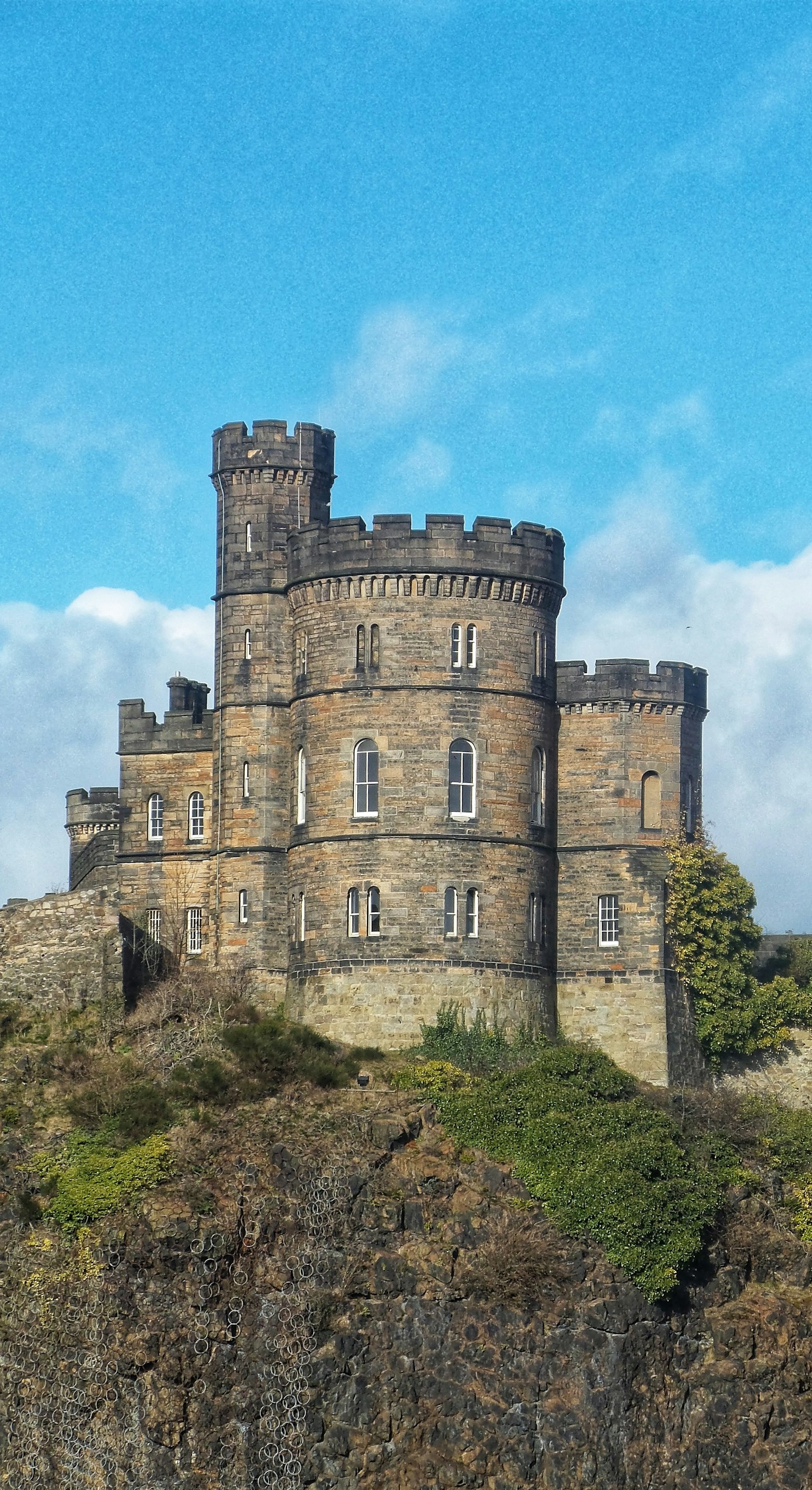
Bilbao, the Basque rebuilt city reportSpain · population 346 thousand · index 8.0 of 10
An independent report on living in Bilbao, scored across cost, safety, weather, jobs, healthcare, education, transport, and twelve more axes. No tourism board input. No paid placement.
8.0
Index Score
Bilbao, SpainCover · The City Report
№ 01 , The Quick Take
Bilbao in 200 words.
Bilbao scored 8.0 on the everycity index in 2026, the fifth highest score in Spain after Madrid, Barcelona, Valencia, and San Sebastian. It is the largest city of the Basque Country (Euskadi), the textbook case study of a postindustrial European city that rebuilt itself between 1997 and 2025 through the Frank Gehry Guggenheim, the Norman Foster metro, the Santiago Calatrava footbridges, and the Nervion riverfront regeneration. The headline numbers: rent on a central one bedroom in Abando or Indautxu runs 910 euros, the monthly all in cost lands at 2,280 dollars for a single resident, the income tax position runs 22 to 32 percent combined Basque foral IRPF effective rate for a Bilbao resident on a 50,000 euro gross income, and the safety score is 8.5 on the same 10 point scale we apply to Madrid, Zurich, and Munich.
The case for Bilbao: the unique fiscal autonomy of the Basque Country (the foral tax regime under the Economic Agreement of 1981 gives the three Basque provinces complete control over income, corporate, and most indirect taxes, with rates that sit 2 to 6 percentage points below the Spanish national IRPF at the middle brackets), the strong industrial and engineering employer base (Iberdrola headquartered here, the BBVA financial group co headquartered here, Petronor refining, Sener engineering, the Mondragon Corporation cooperative network 40 minutes south, the dense automotive supply chain across Bizkaia province), the regenerated riverfront and arts district that anchors a quality of life consistently rated in the European top 20 by Mercer, and a position 1 hour 1 minute from Madrid by direct Iberia flight or 4 hours 50 minutes by AVE high speed rail (the Y vasca Basque Y high speed rail link to Madrid is targeted for completion in 2028). The case against, when there is one, is named below in section 12. If you want the comparison view, start with Bilbao vs San Sebastian or Bilbao vs Madrid.
The data feeding this report is sourced from our methodology page, with primary sources at the foot. Numbers are May 2026 unless stated otherwise. Currency is the euro, with USD conversion in parentheses where useful. The 2026 update reflects the 2025 Bizkaia foral IRPF revision (a 0.3 percentage point cut at the middle brackets), the impatriate workers regime extension to the Basque Country, and the continued rollout of the Y vasca rail infrastructure.
One reading note. This is the long form report. If you only want the headline numbers, the city score generator returns the index figure with custom weights in 30 seconds. If you want the comparison view across two cities, the Bilbao vs San Sebastian page is the first stop. If you want the full continent context, Europe places Bilbao on the regional table, and Spain sets the country level frame.
№ 02 , Cost of Living
The monthly arithmetic.
Twelve line items priced in May 2026 for a single resident living in a central one bedroom. Family of four numbers run 2.3 times the single resident figure.
Line item
Single, 1 bed
Rent, central one bedroom910 euros
Rent, suburban one bedroom680 euros
Family three bedroom rent1,420 euros
Groceries, single285 dollars
Groceries, family740 dollars
Public transport pass (Barik Joven)32 dollars
Utilities, average175 dollars
Internet, 1 Gbps38 dollars
Coffee, take away1.60 dollars
Beer, supermarket1.20 dollars
Beer, bar3.20 dollars
Dinner for two, mid range65 dollars
Gym membership42 dollars
Mobile phone plan14 dollars
Total monthly all in for a single resident in a central Abando or Indautxu one bedroom: 2,280 dollars. That puts Bilbao below Madrid (2,950 dollars), Barcelona (2,850 dollars), and San Sebastian (2,520 dollars), and 18 percent above Valencia. The Spanish cost basis is structurally below the Northern European equivalent; food, cafe culture, and casual restaurant pricing remain dramatically lower. For the family of four equivalent, multiply by 2.3 and you reach 5,250 dollars before international school, which is the line item that changes the math.
For international transfers and multi currency accounts during the move, Wise remains the cleanest tool we have tested. The Spanish banking system has improved on international wires over the past five years but the spread on a USD to EUR conversion at the typical retail bank remains 1.8 to 2.6 percent compared with the Wise 0.35 percent. Booking the first month through Booking.com while you find a long term contract is the standard play. The Bizkaia rental market is heavily reliant on the agencia inmobiliaria; expect to pay one month rent as the agency commission, though the 2023 Spanish Housing Law shifted this cost to the landlord in theory. See the 2026 cost of living report for the city by city table.
Three quiet costs new residents tend to underestimate in Bilbao: the fianza deposit of one to two months rent that the regional Etxebide service holds in escrow (this is one of the few Spanish cities with a public deposit holding system), the comunidad de propietarios building maintenance fee of 35 to 95 euros a month that the tenant typically pays directly, and the IBI property tax of 280 to 540 euros a year that the landlord legally owes but sometimes passes through in higher rent. The Spain tax guide works through the IRPF, the autonomous community surcharges, and the regimen especial de impatriados (the Beckham Law) for inbound high earners. Note: the Bizkaia foral IRPF in 2026 sits 2 to 6 percentage points below the Spanish national IRPF at the middle brackets, the largest single financial argument for moving to the Basque Country from elsewhere in Spain.
The bedroom range is wide. A studio in the Casco Viejo old quarter runs 620 euros. A two bedroom in Deusto, Begona, or Santutxu runs 950 to 1,250. A three bedroom in the upscale Indautxu, Areeta, or Neguri runs 1,450 to 2,400. The Bilbao rental market guide walks the postcodes and the actual asking prices from the May 2026 sample. Note: the Bilbao rental market is one of the tightest in Spain by listings to population ratio; expect to apply on 6 to 14 properties before signing, and prioritize Idealista over the alternative portals.
Salary equivalent
What does your salary need to look like in Bilbao?
Equivalent in Bilbao
$1,925
Adjusted for cost of living, tax position, and currency. Recalculated against a 2280 dollar a month baseline.
№ 03 , Safety
A 10 point read on streets, day and night.
Bilbao scored 8.5 overall. The breakdown matters more than the headline.
Overall8.5
Solo female, day8.4
Family with kids8.8
After dark, central7.9
Compared with the rest of the index, Bilbao sits in the upper tier on all four safety axes. The city ranks in the European top 25 for safety on independent measures (Numbeo Crime Index, EIU Safe Cities Index), with violent crime rates dramatically below the European average and the dominant concern being occasional pickpocketing in the Casco Viejo surrounding the Plaza Nueva and the Mercado de la Ribera. The safest cities ranking places Tokyo at 9.6 and Singapore at 9.5 as the top of the global table; Bilbao at 8.5 sits in the upper European tier alongside Munich and the other Basque cities.
Practical notes for new residents: violent crime in Bilbao is statistically low (the Ertzaintza recorded 0.5 homicides per 100,000 in 2024); pickpocketing and the occasional bar related incident on the Plaza Nueva and the Calle Somera txikiteo route on Friday and Saturday remain the dominant property crime. Carry an international policy from SafetyWing for the first three months while your Bizkaia health card gets sorted. The full safety methodology is on our methodology page.
The four categories that make up the overall safety score are violent crime, property crime, traffic safety, and emergency response time. Bilbao is strongest on family and emergency response, slightly weaker on the after dark central axis (the 7.9 night score reflects the Casco Viejo and the Pozas bar zone activity that remains low risk by international standards but elevated relative to the daytime score). The Bilbao safety deep dive walks the four categories with underlying Ertzaintza and Bilbao Polizia Udala statistics.
№ 04 , Weather
The climate in plain numbers.
oceanic, Cfb under Koppen, 76F summer highs, 41F winter lows, 78 percent humidity year round, 1,608 hours of sun a year, 1,195 mm annual rainfall
The best months to live in Bilbao are May, June, September, October. The worst, in our reader survey, was November for the rain (the Cantabrian coast receives 138 days of measurable precipitation a year, with November averaging 18 wet days) and February for the persistent grey (the city averages just 84 hours of sun in February). The trade off is significant: Bilbao receives 1,195 millimeters of annual rainfall, 60 percent more than Madrid and twice Valencia. For a city that can match your home weather, see the climate match tool. For seasonal travel within the same climate band, the mild summer ranking is the standard cross reference.
Climate practical notes for Bilbao: the housing stock is relatively young by Spanish standards (most of the central city was rebuilt or substantially renovated between 1995 and 2020 as part of the regeneration), the energy efficiency labeling under the Spanish CTE building regulations is consistent, and heating costs run 95 to 180 euros a month in winter (gas, electric, or the increasingly common heat pump). Check the certificado de eficiencia energetica before you sign. The Bilbao housing quality guide breaks down what to look for during viewings. Air conditioning is largely unnecessary in Bilbao because the maritime climate keeps the summer highs below 80F for most of July and August.
Air quality in Bilbao is excellent by Western European standards, with PM2.5 averages well below the WHO threshold for eleven months a year. The Cantabrian coast onshore wind cleans the air constantly, and the deindustrialization of the lower Nervion (the closure of the Altos Hornos de Vizcaya steel works in 1995 and the relocation of the Petronor refinery activity downriver to Muskiz) eliminated the dominant air pollution sources of the late 20th century. The Bilbao air quality report tracks PM2.5 and ozone month by month. If you have asthma or a young child, this is one of the cleaner air cities in the Spanish report set.
Climate adaptation is a longer conversation. The 2024 to 2026 trend lines for the Cantabrian coast track a relatively mild pattern compared with the Mediterranean Spanish cities: marginally warmer summers (the August 2024 high was 87F at the Sondika airport weather station, the highest in 30 years), more variable winter precipitation, and the slow encroachment of marine heatwaves on the Biscay coast that affect the fishing economy of Bermeo and Ondarroa. The climate resilient cities article ranks the 50 cities we track on flood, fire, and heat dome exposure; Bilbao consistently scores in the upper quartile on summer heat resilience.
№ 05 , Jobs and Salary
Who pays, and how much the tax takes back.
Salary medians are May 2026, sourced from Glassdoor, Levels.fyi, and OECD wage data. Tax figures are from the official revenue authority.
Bizkaia foral IRPF top marginal49 percent at 215,000 euros
The major employers in Bilbao are: Iberdrola (the global utility headquartered here, 38,000 staff globally with 4,500 in Bilbao), BBVA (the second largest Spanish bank, co headquartered in Bilbao and Madrid, with 6,200 staff in Bilbao), Petronor (the Repsol refining subsidiary at Muskiz with 1,200 staff), Sener (the engineering and aerospace firm), the Mondragon Corporation cooperative network (96,000 cooperative members across Gipuzkoa and Bizkaia, headquartered in Arrasate 50 minutes south), the BBVA technology center, the Bilbao Port authority and associated logistics employers, and a thick automotive and metallurgy supply chain across the metropolitan area. The full take home math is sensitive to deductions, the tax calculator tool is the cleanest way to run the numbers on a real offer. For benchmarking, the highest paying cities ranking and the Bilbao vs Madrid comparison cover the major Spanish destinations on the same chart.
Note on tax: the Basque Country operates a unique foral tax regime under the Economic Agreement of 1981. Bizkaia, Gipuzkoa, and Araba each run their own income, corporate, and most indirect tax systems with rates that diverge from the Spanish national IRPF. The 2026 Bizkaia foral IRPF runs six brackets from 23 percent below 14,000 euros to 49 percent at 215,000 euros, with the middle brackets sitting 2 to 6 percentage points below the Spanish national equivalent. The Bizkaia corporate tax sits at 24 percent (the Spanish national is 25 percent). The Bizkaia foral regime extends the impatriate workers regime (the Beckham Law) with broader scope; high earning inbound residents can elect the 24 percent flat tax on Spanish source income for the first six years subject to specific qualification rules. The Spanish IVA value added tax of 21 percent applies. Read the Spain tax guide and the Basque foral tax guide before you accept any six figure offer.
Working culture in Bilbao is its own variable. Hours are slightly shorter than the German norm, the standard week is 38 to 40 hours under most Spanish convenio colectivo contracts, the long lunch culture (comida from 14:00 to 16:00 with restaurant service closing in between) remains strong, and 22 to 30 days of statutory paid leave plus 14 public holidays (14 in Bizkaia including the local festivals) apply. The Spanish work week tends toward later morning starts (8:30 to 9:30) and noticeably later evening finishes (18:30 to 20:00) than the Northern European equivalent, though the Basque public sector and the largest employers (BBVA, Iberdrola) increasingly operate on the jornada intensiva of 8:00 to 15:00 during July and August. The Bilbao working culture guide covers the specifics. Read the relocation checklist for the items the recruiters skip.
One more lens. The dual income household question. In Spain, the spouse residence permit (the reagrupacion familiar route) grants work rights from day one of issuance, which sits in the middle of the European range on timing. The spouse visa guide covers the 30 most common destination cities. The Beckham Law (the impatriate workers regime, also applicable in the Basque Country under the foral adaptation) offers a 24 percent flat tax on Spanish source income up to 600,000 euros for the first six years of fiscal residence in Spain for any worker transferring fiscal residence, a significant lever for the inbound finance, tech, and senior corporate roles.
№ 06 , Neighborhoods
Where to actually live.
8 neighborhoods, each with the rent number and a one line verdict.
For long term rentals, residents use Idealista, Fotocasa, and Pisos.com for the most complete listings. Idealista covers 78 percent of the Bilbao listings inventory and remains the standard first stop. The Spanish rental documentation is moderate by European standards: prepare a DNI or NIE, three months of payslips or a fiscal residence certificate, a guarantor (avalista) for any contract above 1,000 euros a month, and the agencia commission of one month rent (legally now the landlord cost under the 2023 Housing Law, in practice still negotiated). Expect to compete with 4 to 12 other applicants on a desirable Indautxu or Areeta unit. The relocation checklist covers the documentation.
Two neighborhood rules of thumb the data supports. First, the second ring out, places like Deusto, Santutxu, and the upper Begona, is almost always the best value. Second, the coastal option (Areeta, Getxo, Algorta, Sopelana) for families with the metro Line 1 commute buys access to genuine Atlantic beach front at a 20 to 35 percent rent discount to the central Abando equivalent, the largest single quality of life lever in Bilbao housing. Track those rules across the eight Bilbao neighborhoods above and you can usually pick the right one in fifteen minutes.
№ 07 , Healthcare
The system, the cost, the wait.
Healthcare scored 8.6 on a 10 point scale. The methodology weights access, cost, and outcomes equally.
Public universal coverage through the Basque regional health service Osakidetza (a parallel structure to the Spanish national Sistema Nacional de Salud, funded directly by the Basque foral tax base) for all residents at no premium beyond payroll tax contribution. Osakidetza consistently ranks in the top 3 of the 17 Spanish autonomous community health services on outcomes, access, and patient satisfaction by the Spanish Ministry of Health annual ranking. The Hospital Universitario Cruces in Barakaldo is one of the largest in northern Spain with 950 beds and a strong cardiac, oncology, and pediatric program. Outcome metrics for Spain overall place the country in the OECD top 5 for life expectancy (83.5 years at birth, 2024) and the top 10 for cancer survival.
For new arrivals: register at the Osakidetza centro de salud nearest your registered domicile within 90 days of obtaining the empadronamiento. EU citizens use the EHIC during the registration window; non EU citizens require the NIE and the empadronamiento before enrollment. Pick up an interim international policy from SafetyWing or Cigna Global for the gap. The expat insurance guide covers the trade off in detail.
Private healthcare is widely used by the upper income brackets and by the corporate employees on company funded plans to bypass the Osakidetza wait times for non urgent specialist consultations. A private cardiology consultation runs 70 to 140 euros, a dermatology visit 60 to 110 euros, a private orthopedic specialist 90 to 180 euros. Private insurance premiums for a single adult run 880 to 2,200 euros a year depending on the package; the Sanitas, Adeslas, and the regional Igualatorio Medico Quirurgico plans are the most widely used in the city. Mental health services within Osakidetza are limited by capacity; the wait for an in network psychotherapy slot runs 4 to 14 weeks, while private sector therapy is widely available at 55 to 95 euros per session. The expat mental health guide covers what private and public look like across our top 50 cities.
№ 08 , Education and Family
Schools, if you have kids.
The international school option, the local school option, and the cost of each. The Basque school system runs on three linguistic models that families must elect.
Bilbao hosts 4 international schools accredited by IB or CIS including the British School of Bilbao (the largest, in Berango, IB curriculum from age 3 to 18), the Lycee Francais Bordeaux Avantages, the Deutsche Schule Sankt Bonifatius, and the American School of Bilbao. The local Basque public schools are free and run on a unique linguistic model system: Model A (instruction in Spanish, Basque as a second language), Model B (bilingual instruction), and Model D (instruction entirely in Basque). Model D enrollment now covers 78 percent of the under 16 population in Bizkaia; international families typically default to Model B or to the international school route. The international school tuition runs 9,000 to 18,000 euros a year per child plus enrollment fees (dramatically below the Swiss or German international school equivalent).
The family rating for Bilbao weights school quality, park access, safety, healthcare, and the cost of a three bedroom flat. See the best cities for families ranking for the full table. The relocating with kids guide covers the school admissions calendar; in Bizkaia the deadline for public school enrollment runs February through March for September entry, with international school deadlines closer to January for the following September.
Beyond school, the family experience in Bilbao is shaped by what is free. The riverfront walking path from the Guggenheim down to the Salve bridge, the Doña Casilda park immediately west of the museum, the Atlantic beaches of Sopelana, Getxo, and La Salvaje just 25 to 35 minutes by metro Line 1 from the city center, the BBK Doña Casilda free Sunday concerts in summer, and the substantial network of municipally subsidized cultural activities. Bilbao scores very high on the unique beach proximity (the city is one of the few European cities of this size with genuine Atlantic surf beaches within metro range), and high on museum culture (the Guggenheim, the Museo de Bellas Artes, the Itsasmuseum maritime museum). The family budget guide models the realistic monthly all in figure across 30 destination cities, and Babbel is the cleanest entry point for the parent who wants a working level of Spanish inside six months (Basque, euskara, is dramatically harder and the timeline is closer to 18 to 24 months for functional adult competence).
For the working couple, full time daycare in Bilbao runs 280 to 480 euros a month at the city operated escuela infantil municipal, with means tested subsidy reducing the cost for lower income households. The Bizkaia regional government operates the Haurreskolak public early years network covering 0 to 2 year olds. The Bilbao childcare guide works through the application timeline. Tuition at the University of the Basque Country (UPV EHU, founded 1980, 47,000 students) runs 1,150 to 2,400 euros a year for Spanish and EU students; the University of Deusto (the Jesuit private university, founded 1886) runs 8,500 to 12,500 euros a year. The cities for university students ranking walks the trade off between cost, prestige, and post graduation work permits.
№ 09 , Transport
Walk, ride, or drive.
Walkability 9.0, transit 8.8, bike 7.2. Car needed: No.
Walk9.0
Transit8.8
Bike7.2
Car neededNo
Three metro lines (the Norman Foster designed Metro Bilbao network with the distinctive fosterito glass canopies, 47 stations across 51 kilometers), one tram line (Euskotran), eight regional rail services from Abando, Santander, and the Casco Viejo stations, and 39 bus lines operate under the Consorcio de Transportes de Bizkaia, fully integrated through the Barik smart card. Single fare 1.55 euros for a city ticket, 32 dollars for the unlimited monthly Barik Joven for residents under 26 and 52 dollars for the standard adult monthly. The bicycle is a workable third mode with 28 kilometers of dedicated cycling infrastructure, though the hilly Bilbao topography limits everyday utility for non electric cyclists; the city operates the Bilbon Bizi bikeshare with 250 electric assist bikes. For relocation scouting trips and the first two weeks before your Barik card arrives, a rental from Discover Cars covers most needs at 32 to 65 dollars a day. A car in central Bilbao is largely unnecessary; parking is 1.85 euros an hour on metered streets, the residents permit runs 75 euros a year, and the metro and Euskotren rail integration to Areeta, Getxo, Algorta, Plentzia, and the coastal beach towns is excellent.
Airport access is the variable most travelers underweight. Bilbao Airport (the Santiago Calatrava designed terminal at Loiu) handled 6.4 million passengers in 2024, ranking it the ninth busiest in Spain with direct service to 56 destinations across Europe and a growing transatlantic schedule (the Iberia direct to New York launched in 2024, the Vueling direct to Tel Aviv in 2025). From a central Abando one bedroom, expect 18 to 28 minutes by Bizkaibus A3247 (every 15 to 30 minutes, 3.40 euros) and 16 to 24 by taxi depending on the time of day. The Bilbao airport access guide walks the four routes with the actual costs and times. For frequent flyers, the best airport cities ranking tracks the connectivity. The high speed rail option remains incomplete (the Y vasca Madrid to Bilbao high speed rail link is targeted for 2028); the current direct AVE to Madrid runs 4 hours 50 minutes via the conventional gauge route through Vitoria Gasteiz.
№ 10 , Culture and Cuisine
What makes Bilbao itself.
The food signatures, the nightlife rating, the cultural calendar.
Food in Bilbao: this is one of the densest gastronomic cities per capita in Europe (the Basque Country holds more Michelin stars per capita than any other region globally), the dominant local idiom is the pintxo (the small plate served on a slice of bread held with a toothpick at the bar counter, paid by the toothpick at the end of the round), the txikiteo bar crawl tradition through the Casco Viejo and the Pozas zone, the strong cider house tradition (the sagardotegia season runs January through April with the standard menu of chorizo, salt cod tortilla, T bone steak, and the apple cider poured at distance from the kupela barrel), and the new wave restaurants that have followed the Guggenheim regeneration including the Mina, the Etxanobe Atelier, and the Nerua at the Guggenheim itself. The nightlife scores 7.4 on the 10 point scale, the methodology weights bar density, late hour transport, and the diversity of the scene. The best cities for nightlife ranking places this in context: Bilbao sits at the upper end of the Spanish secondary city nightlife spectrum, driven by the txikiteo culture and the university student concentration in Deusto.
Cultural temperament: Basque, distinct, fiercely local, with a unique language (euskara) unrelated to any Indo European root, a long industrial tradition that the city has reframed as a postindustrial regeneration case study, a thick artistic heritage (the Guggenheim, the Museo de Bellas Artes with one of the strongest 14th to 20th century Spanish collections in the country, the AlhondigaBilbao cultural center in the Philippe Starck converted wine warehouse), and a politically distinct identity within Spain. For day to day cultural input, the Bilbao cultural calendar tracks the festivals (the Aste Nagusia in the last week of August is the largest single festival, the BBK Live music festival in early July, the Athletic Club football season at San Mames stadium runs August through May, the Korrika every two years celebrates the Basque language), museum exhibitions, and gigs worth a flight. Tour bookings for first time visitors run cleanest through GetYourGuide.
Two underrated reads on cultural fit: how late the city eats, and how quietly it complains. Bilbao eats on the Spanish schedule; dinner at 21:00 to 22:30 is the local default, the kitchens close at 23:30 in the Casco Viejo and stay open later during festivals. The pintxo bars open continuously from 11:30 to midnight. The cities for foodies ranking lists the food capitals on a single chart; Bilbao sits in the European top 10. For complaint culture, the El Correo and Deia letters pages and the local Reddit tell you what residents fight about; the Bilbao resident grievances roundup reads them so you do not have to. The dominant themes: the Aste Nagusia tourist load on the Casco Viejo, the slow Y vasca rail construction, the rental market compression driven by short term lets (the Bilbao city government tightened the Vivienda de Uso Turistico licensing in 2024), and the persistent political question of the Basque relationship to the Spanish state.
№ 11 , Remote Work
Internet, visas, and where to plug in.
Median internet speed 215 Mbps. Coworking density: 22 spaces. Nomad visa: Spain launched the digital nomad visa in January 2023; the Basque foral tax extension to nomad visa holders followed in 2024.
The remote work rating for Bilbao is excellent on infrastructure and dramatically improved on visa accessibility since the 2023 nomad visa launch. The median internet speed of 215 Mbps places Bilbao in the European top 20 (Movistar, Orange, and Vodafone all operate full fiber FTTH across the entire metropolitan area), the coworking density of 22 spaces is solid for a city of this size, and the time zone overlap with the rest of Europe is workable. For a privacy layer on local networks, NordVPN remains the cleanest option we have tested. The best cities for remote work ranking covers the full table.
For nomads: Spain launched the digital nomad visa in January 2023 under the Startup Law (Ley de Startups), available to non EU professionals with a minimum 2,762 euro monthly income (200 percent of the Spanish minimum wage indexed annually), at least three years of professional experience or relevant qualifications, valid international health insurance, and proof of accommodation. The visa is initially valid for one year, renewable for up to five years, and grants a residence permit that can lead to long term EU resident status. The Beckham Law extension to the Basque foral regime makes Bilbao one of the more tax efficient nomad visa destinations in Spain for higher earners. The nomad visa guide 2026 tracks the eligibility across 47 cities.
For coworking specifically, premium operators like BAT Coworking Bilbao, Beaz Bizkaia, Hub Empresarial, Wayco Bilbao, and Impact Hub Bilbao run 195 to 320 euros a month for a hot desk and 420 to 780 for a private booth. The mid market option runs 140 to 210 euros a month for unlimited access plus mail handling. The Bilbao coworking guide tracks the specific operators. The best cities for digital nomads ranking places Bilbao on the same axis as Lisbon, Valencia, and Porto for direct comparison.
№ 12 , The Verdict
Who should move to Bilbao, and who shouldn't.
Bilbao works for the industrial engineer, the financial professional at BBVA or one of the Basque foral institutions, the dual income family that values the Atlantic coast and the foral tax discount over the size of the labor market, the food obsessed remote worker who wants pintxo culture at half the Madrid cost, and the Spanish nomad visa holder targeting the Basque foral tax optimization. Below 3,200 dollars net monthly the rent compression in Abando and Indautxu gets sharp; above 6,500 dollars net the city becomes one of the highest quality of life centers in Southern Europe by every measurable axis. The case against has hardened since 2022: the rental market has tightened materially with short term lets and the Guggenheim Bilbao effect pushing the central rent up 22 percent over three years, the Atlantic weather is genuinely wet (1,195 millimeters annual rainfall, 138 wet days a year), the Basque language presents a real friction for integration into the deeper local social fabric beyond the international and expatriate community, the labor market for senior tech and finance roles is dramatically smaller than the Madrid equivalent, and the cultural distance from the Mediterranean Spanish norm is real (the cuisine, the music, the language, and the political culture are noticeably distinct). None of that erases the core. The Frank Gehry Guggenheim that anchors a city wide regeneration that virtually every urbanism textbook studies as a successful case. The Basque foral tax that runs 2 to 6 percentage points below the Spanish national IRPF. The pintxo culture that puts the city in the European top 10 for food density. The metro Line 1 to Atlantic beach in 25 minutes. The Norman Foster fosterito stations. The Iberia direct to New York. The BBVA, Iberdrola, and Mondragon network that sustains a serious senior corporate labor market. If you can earn the Basque salary or qualify for the impatriate or nomad visa regimes, you live in a city that has rebuilt itself from heavy industry to postindustrial creative class anchor in 28 years, at a cost basis 35 to 45 percent below the equivalent Northern European destination. That is rarer than this site usually admits.
The everycity.guide dispatch is one email a month. New city reports, the latest cost of living refresh, and the comparisons readers asked for. No tourism brochure copy.
Sources, May 2026. Numbeo cost of living index May 2026 · Mercer Cost of Living Survey 2026 · OECD Income Distribution Database 2025 · World Bank Open Data 2025 · Speedtest Global Index April 2026 · EIU Safe Cities Index 2024 · the relevant national tax authorities for headline rates · Glassdoor and Levels.fyi for salary medians · the national statistics office of Spain · OpenStreetMap and national transit operator data for transport scoring. First published May 14, 2026. Last updated May 14, 2026.