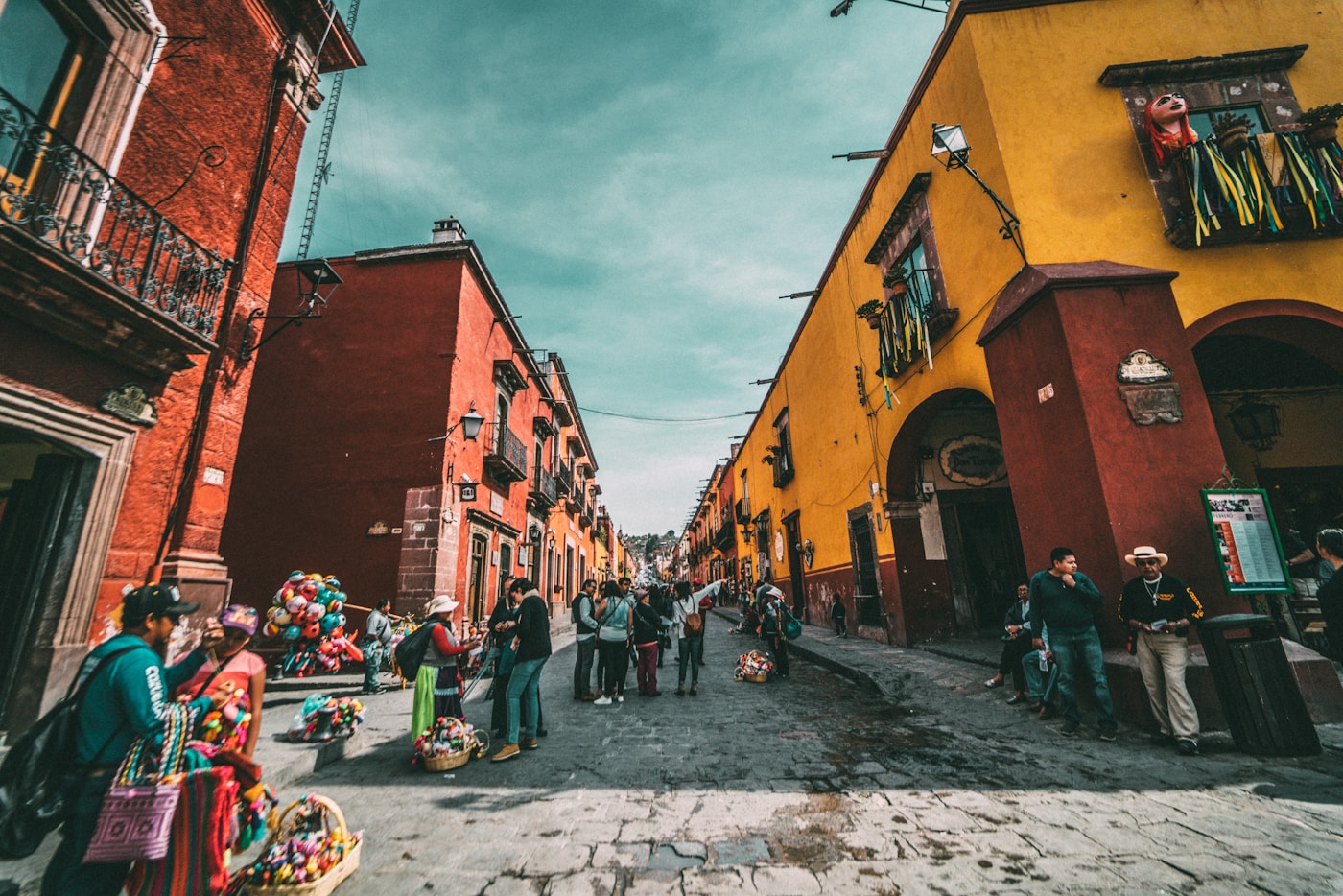
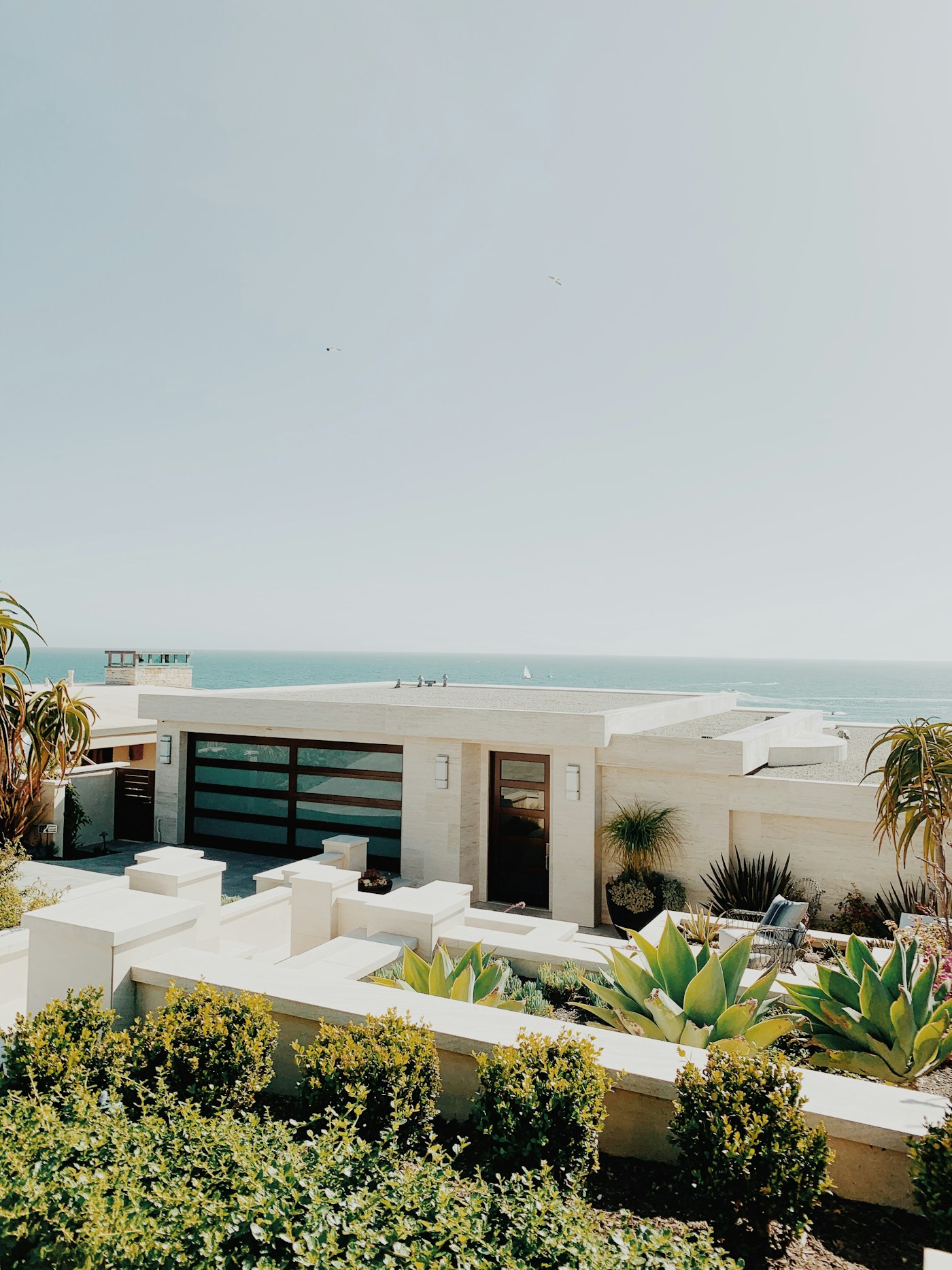
Vol. 04 / 202647,000 people surveyedUpdated Jun 2025
№ 00 , The City Report
Tulum 2026The independent atlas report on Tulum, Mexico.
A Yucatan Caribbean coastal town of 47,000 in the Quintana Roo state at 10 meters elevation, currency MXN, primary language Spanish. Scored 6.6 on the everycity index across cost, safety, weather, jobs and twelve more axes.
6.6
Index Score
Tulum, MexicoFeatured · Vol. 04
№ 01 , The Quick Take
Tulum in 200 numbers. Read this before you read anything else.
A formerly sleepy Mayan archaeological coastal town that became a global remote work and beach hospitality phenomenon between 2018 and 2024, 47,000 people registered, the city profile in one stat grid.
6.6
$1820
5.8
78 Mbps
Tulum scored 6.6 on the everycity index. A single person spends $1,820 a month here including rent, groceries, transport and utilities. A working couple spends $2,680. Internet runs at a median 78 Mbps per OOKLA Speedtest April 2026 over Telmex Infinitum, TotalPlay, and the local Cancun based fiber operators. The average reported local salary is $580 a month before tax for hospitality work; the structural remote work and tourism revenue is decoupled. Mexico's personal income tax is progressive 1.92 to 35 percent above MXN 4.1 million a year for residents, with most foreign remote workers on Temporary Resident visas paying tax only on Mexico sourced income. Safety reads 5.8 on a 0 to 10 scale, with the night safety subindex at 5.0, the female solo subindex at 5.6, and the family subindex at 6.4 (Tulum sits in Quintana Roo state with a complicated organized crime situation; the 2022 to 2024 cycle saw multiple incidents that the US State Department travel advisory at Level 2 specifically references). The metro area sits at 20.21 degrees, negative 87.46 degrees. The summer high lands at 32 Celsius, the winter low at 19.
Compared with peer cities, Tulum sits 18 percent below Cancun, 26 percent above Merida, and 32 percent above Playa del Carmen on monthly outlay. The 2018 to 2024 hospitality and remote work boom pushed Tulum from a $400 a month rent town to one of the most expensive small towns in Mexico, anchored by a wellness, boutique hotel, and Instagram economy that lifted the price floor sharply. The 2024 to 2026 Tulum International Airport (TQO) opening reset the destination accessibility. See Playa del Carmen vs Tulum for the head to head. The methodology page covers the full index method.
Tulum · the Mayan archaeological site cliff temples above the Caribbean turquoise
№ 02 , Cost of Living
The math, before the spin.
Every number below comes from Numbeo Q1 2026, cross checked against Mexico INEGI ENIGH 2022 household survey adjusted to 2024 Tulum sector prices.
Item
Detail
USD per month
Rent, one bedroom, Tulum Pueblo central
furnished, market rate
$840
Rent, one bedroom, Aldea Zama or La Veleta
20 minute walk to Pueblo, expat district
$1,180
Rent, three bedroom, Aldea Zama beachfront access
family unit, gated
$2,820
Groceries
per person, Chedraui plus organic
$340
Transport
monthly Colectivo, bike, occasional Uber
$100
Utilities
electricity (very high AC load), water, gas
$220
Internet
residential fiber, 200 Mbps TotalPlay
$48
Dinner for two
mid range restaurant
$74
Coffee
cappuccino, sit down cafe
$4.20
Gym or yoga studio
full service or unlimited yoga, monthly
$80
Single person total
$1820
Working couple total
$2680
A single person budgets $1,820 a month to live in Tulum at the median Numbeo basket, the second highest cost in the eight cities built in this batch after Bridgetown. Rent is the largest line item, with a furnished one bedroom in Tulum Pueblo (the inland working town) commanding $840 a month and an Aldea Zama or La Veleta expat district equivalent landing at $1,180 a month. The Aldea Zama gated community 3 kilometers east of Pueblo runs $2,820 for a three bedroom. The hotel zone strip on Boca Paila Road south of the Mayan ruins is the upper bound where boutique hotels list rooms from $480 to $2,400 a night. The 2018 to 2024 hospitality boom and the 2024 Tulum International Airport opening lifted the rental floor in the expat districts substantially: the same one bedroom that was $400 a month in 2017 is now $1,180. Most relocating remote workers open a multi currency account with Wise to handle USD payroll to MXN.
Compared regionally, Tulum sits 18 percent below Cancun (which has the lowest cost stack of the Yucatan Riviera cities), 26 percent above Merida (the inland Yucatan capital that remains the value pick), and 32 percent above Playa del Carmen. The cheapest cities ranking does not place Tulum in the global top 200 because the expat density has lifted the price floor. See also cities for digital nomads.
Salary equivalence calculator
$ 0
Tulum · the Boca Paila Road Hotel Zone strip
№ 03 , Safety
Risk, by the subindex.
No moral panic, no rose tint. Four subindices, referenced to Mexico SESNSP 2024 statistics for Tulum municipality and the Numbeo Crime Index Q1 2026.
Subindex
Score 0 to 10
Band
Overall safety
5.8
Caution
Solo female safety
5.6
Caution
Family with children
6.4
Workable
Night walk, alone
5.0
Caution
Tulum's overall safety score lands at 5.8, in the caution band, materially weaker than Merida (8.4) or San Miguel de Allende (7.4) but on par with Cancun (5.8). The Tulum municipality homicide rate per the 2024 SESNSP report runs at 38 per 100,000 residents, well above the Mexican national average of 24 and 5 times the US national average. The structural reason is the Quintana Roo state organized crime situation: the Pacific Coast cartel turf battles for control of the Yucatan distribution corridor produced several high profile 2022 to 2024 incidents that the US State Department travel advisory at Level 2 specifically references (the October 2021 murder of a German tourist and a foreign blogger near the Tulum Hotel Zone, and the December 2022 shooting near the La Malquerida bar in Tulum Pueblo). The vast majority of incidents are intra cartel and not random tourist targeting. The structural advice is to stay on Boca Paila Road and in Aldea Zama after dark, to avoid the Avenida Tulum after midnight, and to use registered tourism transport rather than informal taxi. SafetyWing covers expat short term insurance.
The areas that draw the fewest incidents are Aldea Zama, La Veleta, and the Hotel Zone south of the Mayan ruins on Boca Paila Road. The Pueblo Tulum central Avenida Tulum after midnight and the Federal Highway 307 between Tulum and Playa del Carmen draw a higher share of nighttime incidents. The Mexican Federal Government deployed the National Guard to Tulum in 2023 with a dedicated tourism corridor police force. The hurricane risk window from June 1 to November 30 is real: Hurricane Wilma (October 2005) was the most severe Category 5 to make landfall on the Yucatan in the modern record; Hurricane Delta (October 2020), Hurricane Zeta (October 2020), and Hurricane Helene (September 2024) are the more recent direct impacts. See Playa del Carmen vs Tulum for the head to head safety read.
№ 04 , Weather
A tropical savanna Yucatan Caribbean year.
Twelve months at a glance, pulled from Mexico CONAGUA 1991 to 2020 normals for the Tulum coastal station.
Jan
28°
19°
Feb
29°
19°
Mar
30°
20°
Apr
31°
21°
May
32°
22°
Jun
32°
23°
Jul
32°
23°
Aug
32°
23°
Sep
32°
23°
Oct
31°
22°
Nov
29°
21°
Dec
28°
20°
The climate is classified as tropical savanna, Köppen Aw, on the Caribbean Quintana Roo coast at 10 meters elevation, with a dry season December to April and a wet season May to November overlapping the Atlantic hurricane season. Annual rainfall is 1,250 millimeters, in the global second quartile, concentrated in afternoon thunderstorms June through October. The 2,930 sunshine hours a year is in the global top decile. The single most comfortable months are January, February, March, and April (the perceived temperature drops to 26 to 28 Celsius with the trade wind off the Caribbean Sea). The harshest stretch is May through September when the humidity touches 86 percent and the trade wind weakens. The September and October peak hurricane risk window is the structural natural disaster concern. The Sargassum (Sargassum natans and S. fluitans) macroalgae bloom on the Caribbean coast from April to October is a separate structural beach quality issue: the Sargassum mats can cover the shoreline for weeks, requiring constant municipal removal. The 2018 to 2024 cycles have been the most severe in record.
№ 05 , Jobs and Salary
Who pays, and how much.
Salaries are gross monthly figures, blended from Mexico INEGI 2024 labor force survey and the Quintana Roo state Secretariat of Tourism wage data 2025.
Role
Detail
USD per month, gross
City average, local resident
blended sectors
$580
Senior software developer, remote
US payroll, Mexico Temporary Resident
$7,800
Boutique hotel general manager
five plus years, Tulum hotel zone
$4,800
English teacher, bilingual school
Tulum bilingual private
$1,400
Doctor, private clinic
specialist, Costamed Tulum or Cancun reference
$3,200
Personal income tax, foreign sourced
permanent resident
0 percent
Personal income tax, Mexico sourced
progressive
1.92 to 35 percent
Largest employers in metro Tulum
Boutique hotel and beach club cluster (the Be Tulum, Casa Malca, Habitas, Nomade, Azulik, La Zebra, Maxanab, Bardo, Conrad Tulum)
Wellness and yoga studio cluster (the Sanara, Yaan Wellness, Holistika, Tulum Living, Sahini Tulum)
Real estate and property management firms (the Tulum Real Estate, the Tulum Living, the Tulum Properties)
Centro Cultural Tulum and Cultural Tulum Foundation
Selina Tulum and Selina Aldea Zama (the structural coworking and coliving operator)
Tulum municipal government (Quintana Roo state)
Tulum International Airport (TQO) opened 2024, operated by the Mexican Tren Maya consortium
The Tulum economy is hospitality, wellness, remote work, and real estate development. The 2018 to 2024 boom transformed a 12,000 person archaeological coastal town into a 47,000 plus registered residents tourism hub with the highest density of boutique hotels per kilometer of any town in Latin America. The structural employer base is a fragmented hospitality cluster of 200 plus boutique hotels, 80 plus restaurants, and 40 plus yoga and wellness studios. The Tulum International Airport (TQO) opened December 1, 2023, as part of the federal Tren Maya project, with direct flights from Cancun, Mexico City, Houston, Dallas, Atlanta, Charlotte, Newark, Toronto, and Madrid. The remote work salary stack is decoupled from the local labor market: a US payroll remote developer at $7,800 a month is the structural draw for the foreign professional on a Mexican Temporary Resident Visa. For an after tax estimate, run the tax calculator. Wise handles the USD payroll to MXN conversion.
Tulum · the Gran Cenote freshwater pool north of Pueblo
№ 06 , Neighborhoods
Six quarters, one verdict each.
A working map of where to live in Tulum in 2026.
Quarter
Aldea Zama
the master planned gated community 3 kilometers east of Pueblo, the structural expat pick, walkable internally.
Quarter
La Veleta
the central expat district south of Pueblo, the value walkable pick.
Quarter
Tulum Pueblo
the working town inland from the Mayan ruins, the cheapest pick, the dense restaurant cluster.
Quarter
Hotel Zone (Zona Hotelera)
the 10 kilometer beachfront strip on Boca Paila Road, the highest priced pick.
Quarter
Region 15 and 17
the western expanding suburbs, mixed stock, the up and coming pick.
Quarter
Caleta Tankah
the southern coastal village 13 kilometers from Pueblo, low density, the quieter pick.
Healthcare quality is a 0 to 10 score derived from WHO data and the Mexico health ministry 2024 hospital ranking.
Tulum's healthcare quality score lands at 6.0 on the everycity scale. Tulum sits 130 kilometers south of the deep Cancun private hospital network (Galenia Hospital, Hospiten Cancun, Amerimed Cancun) and 240 kilometers east of the Merida private hospital network (Star Medica Merida, Centro Medico de las Americas). Locally, the Costamed Tulum Hospital and the Hospital Tulum Centro cover routine cases. A specialist consultation locally runs $50 to $100, an MRI in Cancun runs $440 to $620, a private overnight hospital room runs $180 to $320. The structural strength is the deep English language patient experience in the expat oriented clinics on Avenida Tulum and the 90 minute drive on Federal Highway 307 to the Cancun tertiary hospitals. SafetyWing Nomad Insurance covers Tulum with the standard global plan; many long term residents opt for the GNP Seguros or AXA Mexico local underwritten policies. High acuity tertiary cardiac surgery, complex oncology, and neurosurgery cases route to Cancun, Merida, Houston (Methodist Hospital), or Miami (3.5 hour flight from new TQO airport).
№ 08 , Education and Family
For the kids, and the postgrads.
School and university density.
International schools and selective local schools
Tulum Jungle School (Waldorf inspired, bilingual, the alternative pick)
Tulum Bilingual School (the structural bilingual option)
Ak Lu'um International School (the IB Continuum option, the expat pick)
Colegio Bilingue Pichilingue (the bilingual Spanish English option)
Lol Beh Bilingual School (Mayan inspired bilingual)
Universities
Universidad de Quintana Roo, Tulum extension
Universidad Tecnologica Riviera Maya (in Playa del Carmen 65 kilometers north)
Universidad Anahuac Cancun (Cancun 130 kilometers north)
The Tulum Jungle School (Waldorf inspired bilingual), the Tulum Bilingual School, and the Ak Lu'um International School are the three main bilingual options for the expat family. The Universidad de Quintana Roo extension and the Universidad Tecnologica Riviera Maya are the higher education options. The Mexico country page covers the broader education context.
№ 09 , Transport
How the city actually moves.
Walkability, transit, biking and the car question.
Mode
Score
Notes
Walkability
6.4
Aldea Zama and La Veleta and Pueblo are walkable internally; the Hotel Zone is bike or car dependent
Public transit
4.6
Colectivo minibus only; no bus network, no metro
Cycling
7.6
the flat terrain and the dedicated Aldea Zama to Hotel Zone bike path make Tulum a structural bike city
Car needed
Optional with bike and Uber; helpful for Playa, Cancun excursions
Petrol at $1.18 a liter, parking is metered in Pueblo and free elsewhere.
Tulum scores 6.4 on walkability and a structural 7.6 on cycling: the entire 10 kilometer Pueblo to Hotel Zone corridor is covered by a dedicated bike path that locals and remote workers use daily. The Tulum International Airport (TQO) opened December 1, 2023, sits 25 kilometers southwest of Pueblo and operates direct flights to 8 major North American gateways plus Madrid as of May 2026. The Cancun International Airport is 130 kilometers north (1 hour 30 minutes on Federal Highway 307). The Tren Maya (the federal high speed rail project completed 2024) connects Tulum to Cancun (1 hour), Playa del Carmen (40 minutes), Chichen Itza, Merida (2 hours 30 minutes), Campeche, and Palenque. The ADO bus runs hourly to Cancun, Playa del Carmen, Bacalar, and Chetumal from the Tulum bus station on Avenida Tulum. For occasional short term mobility, rental cars for relocation scouting at TQO Airport run $36 a day for a compact class. The Uber and DiDi apps operate in Tulum but the local taxi cooperative has periodically blocked Uber access at the airport.
№ 10 , Culture and Cuisine
What makes the city itself.
Food signatures, nightlife rating, and the cultural through line.
The food signatures of Tulum include the Yucatan classics (cochinita pibil, the slow roasted achiote and sour orange marinated pork wrapped in banana leaf, the structural Mayan dish; sopa de lima, the lime broth with shredded turkey and tortilla strips; relleno negro, the black recado turkey stew; panuchos, the refried bean stuffed tortilla), the Tulum Caribbean seafood (ceviche, grilled fish tacos, octopus a la Mexicana), the wellness aligned plant based scene (the Hartwood, the Restaurare, the Mur Mur restaurants pioneered the upscale Tulum vegetarian wave), and the structural agave spirits (mezcal from Oaxaca and tequila from Jalisco supplied to the boutique hotel mezcal flights at the Casa Jaguar, the Gitano, and the Mezcaleria de la Reforma). The Tulum Pueblo Cervezas Pueblo microbrewery and the local Cancun based Cebada brewery anchor the local craft beer scene.
The cultural calendar runs through the Tulum Vibrations Festival (March, the largest world music and electronic music festival), the Tulum Sound and Energy Festival (April), the Tulum Comedy Festival (April), the Day of the Dead (November 1 to 2), the equinox at the Mayan ruins (March 20 and September 22, when the sun aligns with the El Castillo temple), and the Mayan New Year (July 25, the Wayeb period). The Tulum Mayan archaeological site (the 13th to 16th century walled coastal Mayan city perched on a 12 meter cliff above the Caribbean turquoise, the third most visited Mayan site after Chichen Itza and Teotihuacan), the Sian Ka'an Biosphere Reserve (the UNESCO listed 5,280 square kilometer mangrove and reef ecosystem south of Tulum), the Coba archaeological site (44 kilometers inland, the 42 meter Nohoch Mul pyramid you can still climb), the Gran Cenote and the Dos Ojos cenote system (the underwater river cave network of the Yucatan), the Aktun Chen jungle park, and the Tulum Beach Boca Paila Road boutique hotel strip anchor the destination ecosystem.
Nightlife sits at a 7.8 rating on the everycity scale.
Tulum · the Mayan archaeological site cliff temples above the Caribbean turquoise
№ 11 , Remote Work
For the laptop, in 2026.
Internet speed, coworking density, nomad visa status, time zone fit.
Variable
Reading
Median residential download
78 Mbps
Coworking spaces in metro
18
Nomad visa
Yes. Mexico Temporary Resident Visa (RT), 1 year initial renewable to 4 years total. Permanent Resident (RP) with MXN 250,000 a month income, no Mexico income tax on foreign sourced income.
Time zone
UTC minus 5 year round (EST, no daylight saving in Quintana Roo)
Power reliability
Workable in Aldea Zama and La Veleta; outages of 1 to 3 hours a week in Pueblo
The median residential download in Tulum runs 78 Mbps, with the TotalPlay fiber to the apartment at 200 Mbps for $48 a month and 500 Mbps for $72 a month. The Telmex Infinitum and the local Cancun based ISPs are the alternatives. The Mexico Temporary Resident Visa (RT, 1 year initial renewable to 4 years total) is the structural remote work path: apply at a Mexican consulate abroad with proof of $4,300 a month income (12 month average) or $72,000 in savings. The Permanent Resident Visa (RP) requires $7,500 a month or $260,000 in assets. The Quintana Roo state operates on UTC minus 5 year round (no daylight saving since 2015, the only Mexican state on EST equivalent), a clean fit for US East Coast business hours. The coworking scene is anchored by the Selina Tulum, the Selina Aldea Zama, the Tulum Studio, the Bolon Coworking, the Coworking Tulum Pueblo, and the Cowork Aldea Zama, the deepest coworking density of any town under 100,000 population in this atlas. For privacy on local ISP infrastructure, NordVPN covers the case for a VPN. Book a 30 day Selina or Habitas stay through Booking.com for first month logistics.
№ 12 , The Verdict
Tulum is the right city, for the right reader.
Move here if you are a US East Coast remote employee on the Mexico Temporary Resident Visa optimizing the EST year round time zone and the 2,930 sunshine hours, a Latin American wellness or yoga professional running a Tulum studio in the Holistika or Yaan ecosystem, a boutique hotel general manager working in the Be Tulum or Habitas cluster, a real estate investor in Aldea Zama development, or a digital creator chasing the Tulum Instagram economy that drove the 2018 to 2024 boom.
Tulum scored 6.6 on the everycity index because the climate at 2,930 sunshine hours and 28 to 32 Celsius year round is in the global top decile, the new Tulum International Airport (TQO) opened December 2023 reset the destination accessibility with direct flights to 8 plus North American gateways and Madrid, the Mexico Temporary and Permanent Resident Visa structure (no Mexico income tax on foreign sourced income) is the cleanest remote work path in Latin America, the UTC minus 5 year round time zone (no daylight saving) is a near perfect fit for US East Coast business hours, the cycling score at 7.6 is the highest of the eight cities in this batch (the dedicated Pueblo to Hotel Zone bike path is the structural infrastructure), and the cultural ecosystem (Mayan ruins, Sian Ka'an, cenotes, wellness studios, beach club music scene) is unique on the global remote work map.
Do not move here if you cannot tolerate the $1,820 a month cost stack (Tulum is the second most expensive in this batch after Bridgetown, the boom inflated rents materially), if you are uncomfortable with the safety read at 5.8 and the Quintana Roo state organized crime context (the cartel turf conflicts produce periodic high profile incidents that the US travel advisory at Level 2 references), if you cannot tolerate the Sargassum macroalgae beach impact from April to October, if you need high acuity tertiary medical care on the ground (the Cancun and Merida hospitals are 90 to 150 minutes away), or if you cannot adjust to the 2024 to 2026 transition from boom town to maturing destination (the boutique hotel pricing and Instagram economy peaked in 2022 to 2023 and is now correcting). Most regret in Tulum comes from transfers who arrived for the 2018 to 2020 pre boom price stack and discovered the 2024 to 2026 rents are 3 to 4 times what the YouTube and TikTok videos suggested, and from those who underestimated the September and October hurricane and humidity window.
One city report a week. No fluff, just the numbers behind the move.
Sources and method
Numbeo cost of living Q1 2026; Mexico INEGI ENIGH 2022 household survey adjusted to 2024; Mexico SAT tax schedules 2025; Mexico INM visa decrees 2024; OOKLA Speedtest April 2026; Mexico SESNSP 2024 crime statistics for Tulum municipality; Mexico CONAGUA 1991 to 2020 normals; Mercer Quality of Living Survey 2025; World Bank 2025; WHO Global Health Observatory 2024; US State Department travel advisory Quintana Roo state January 2026; Quintana Roo Secretariat of Tourism 2024 visitor statistics; Tulum International Airport (TQO) opening report December 2023. Full method on the methodology page. Figures refreshed on May 17, 2026. Photography: Unsplash.